Saturday, 7 May 2016

Shabaab ambushes Burundian troops near Leego
Shabaab ambushes Burundian troops near Leego

14
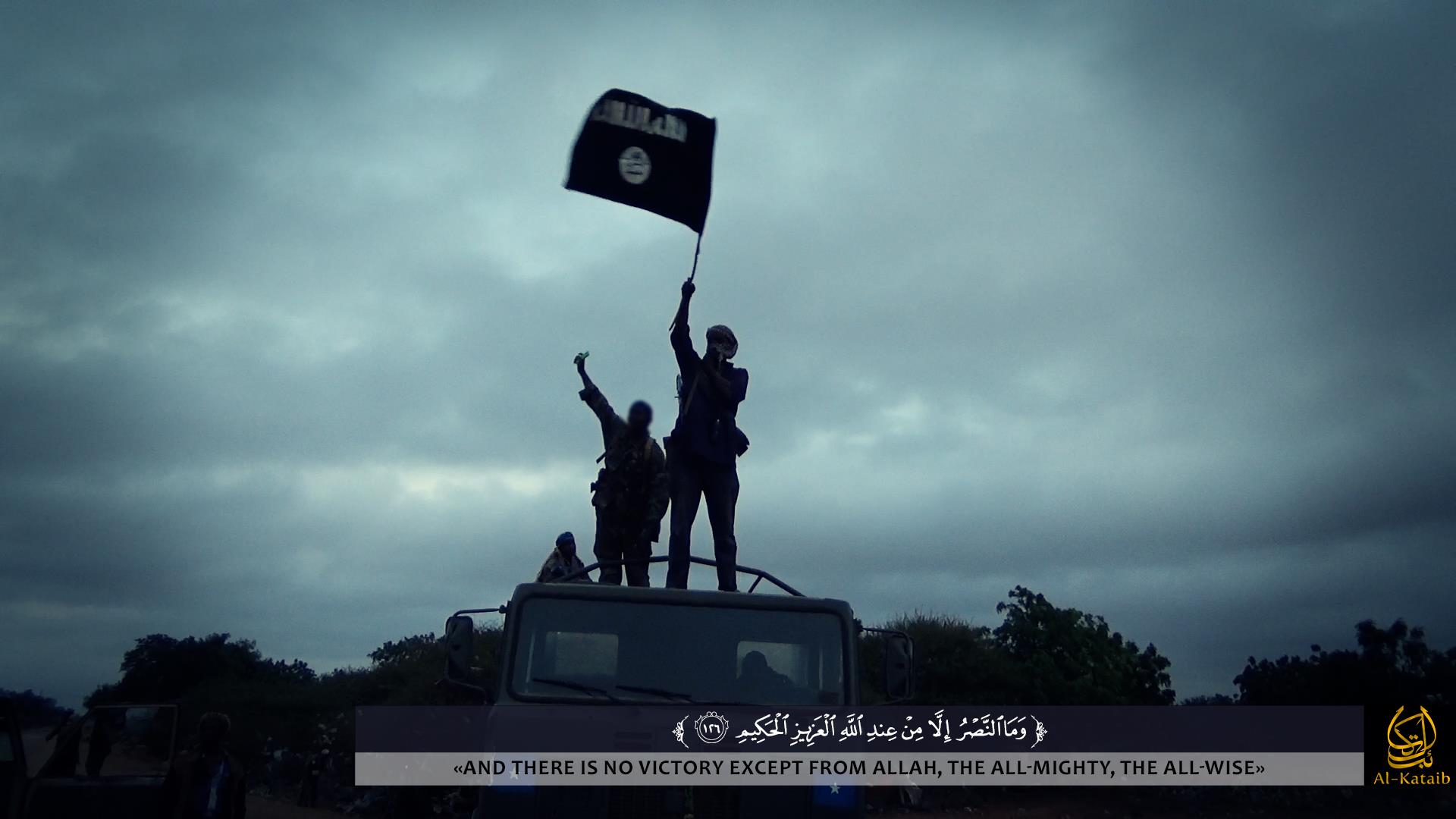
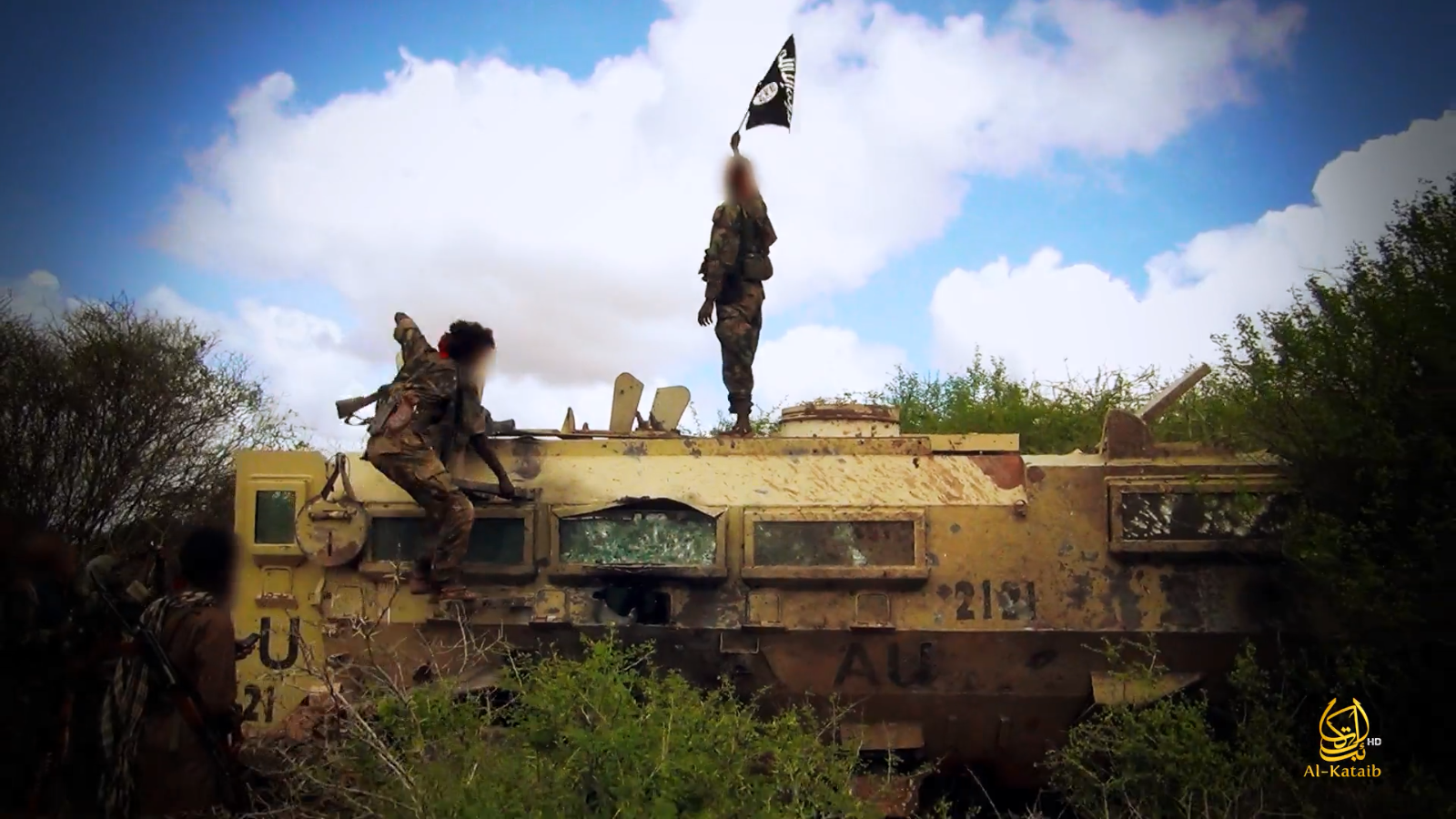
The flag of al Qaeda waves over a destroyed African Union armored personnel carrier
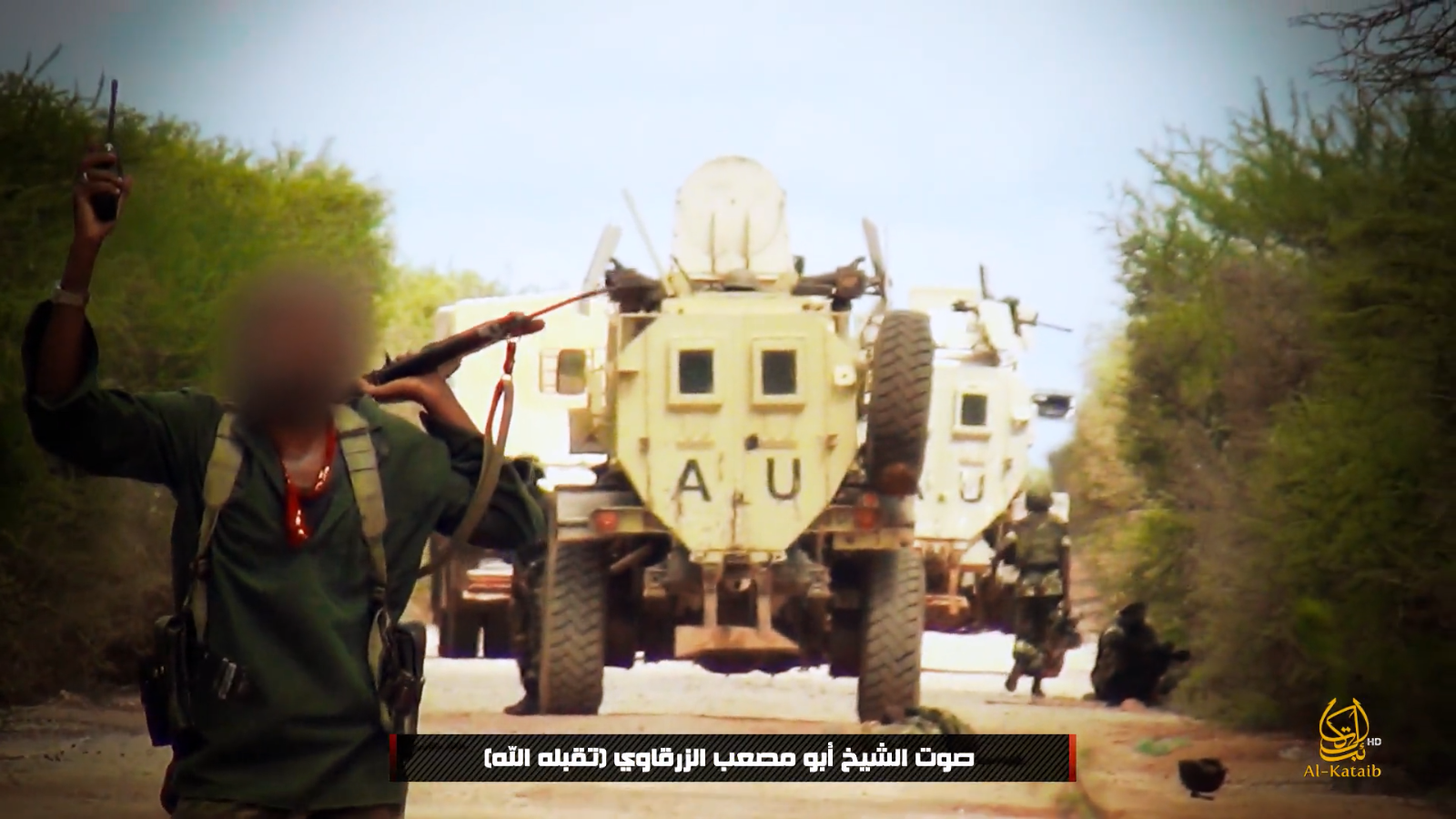
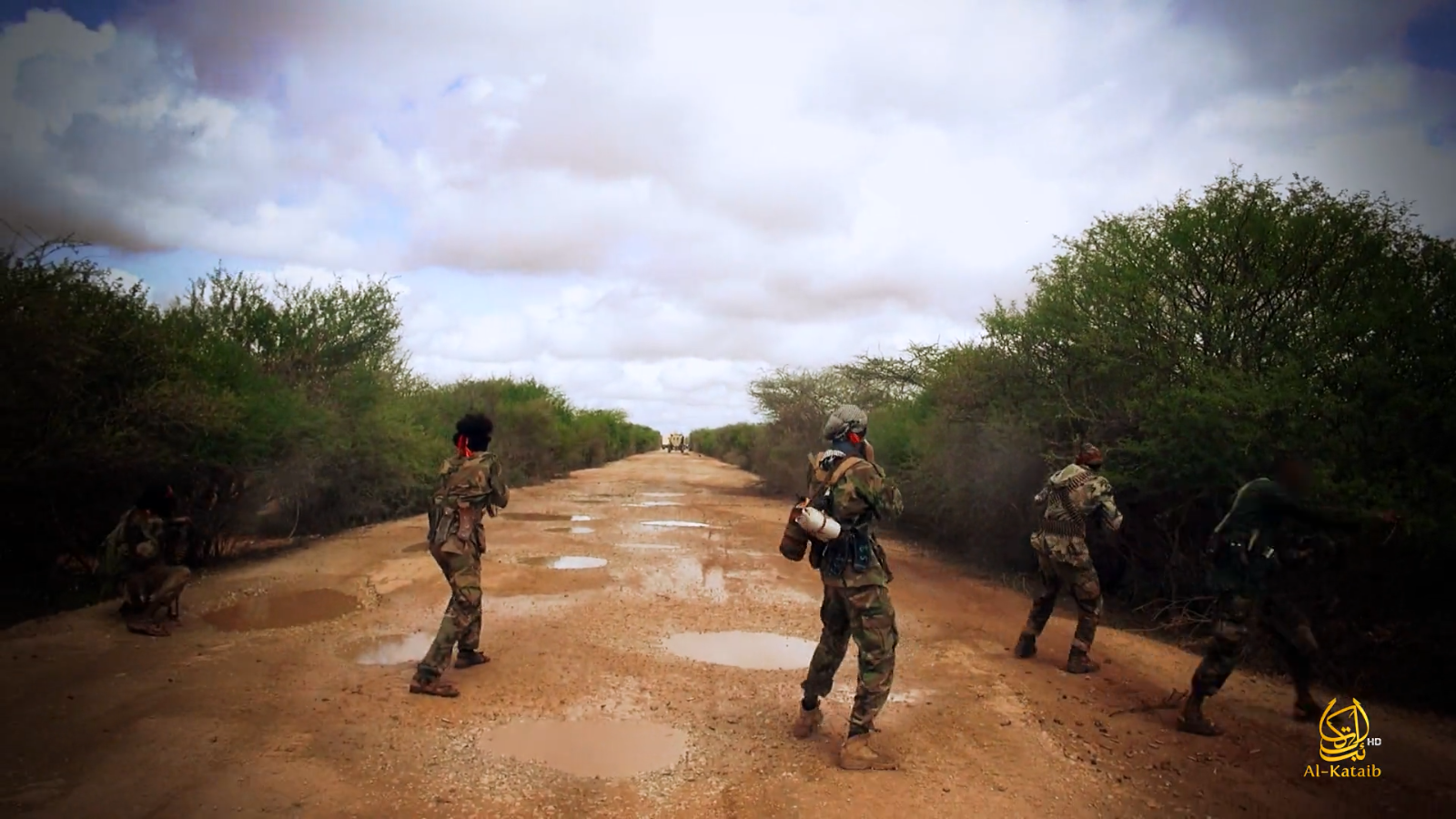
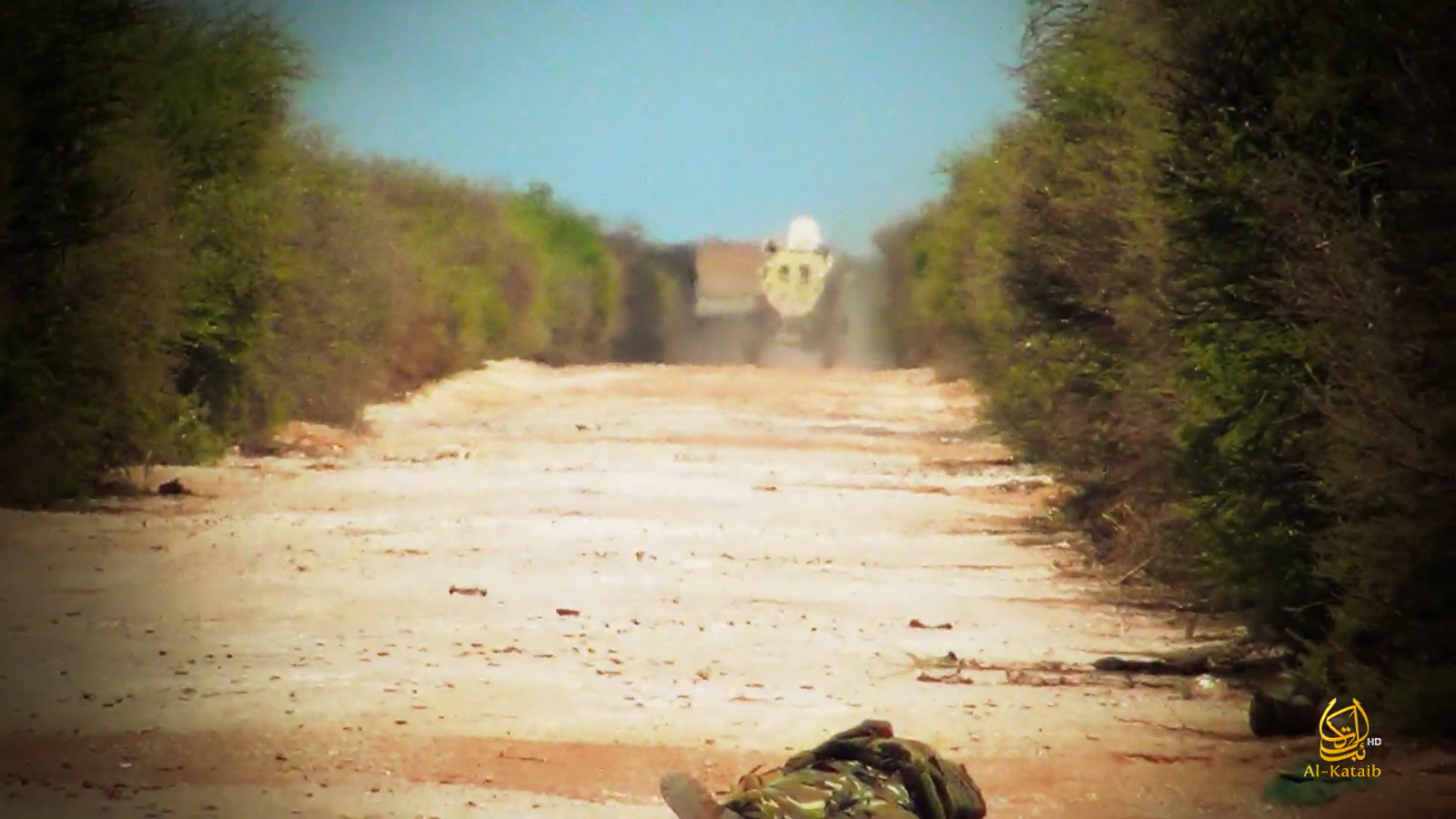
Shabaab, al Qaeda’s official branch in Somalia, ambushed a convoy of Burundian troops on a road near the southern town of Leego. The jihadist group released a video highlighting the attack on July 13, but no date was given for when the ambush took place.
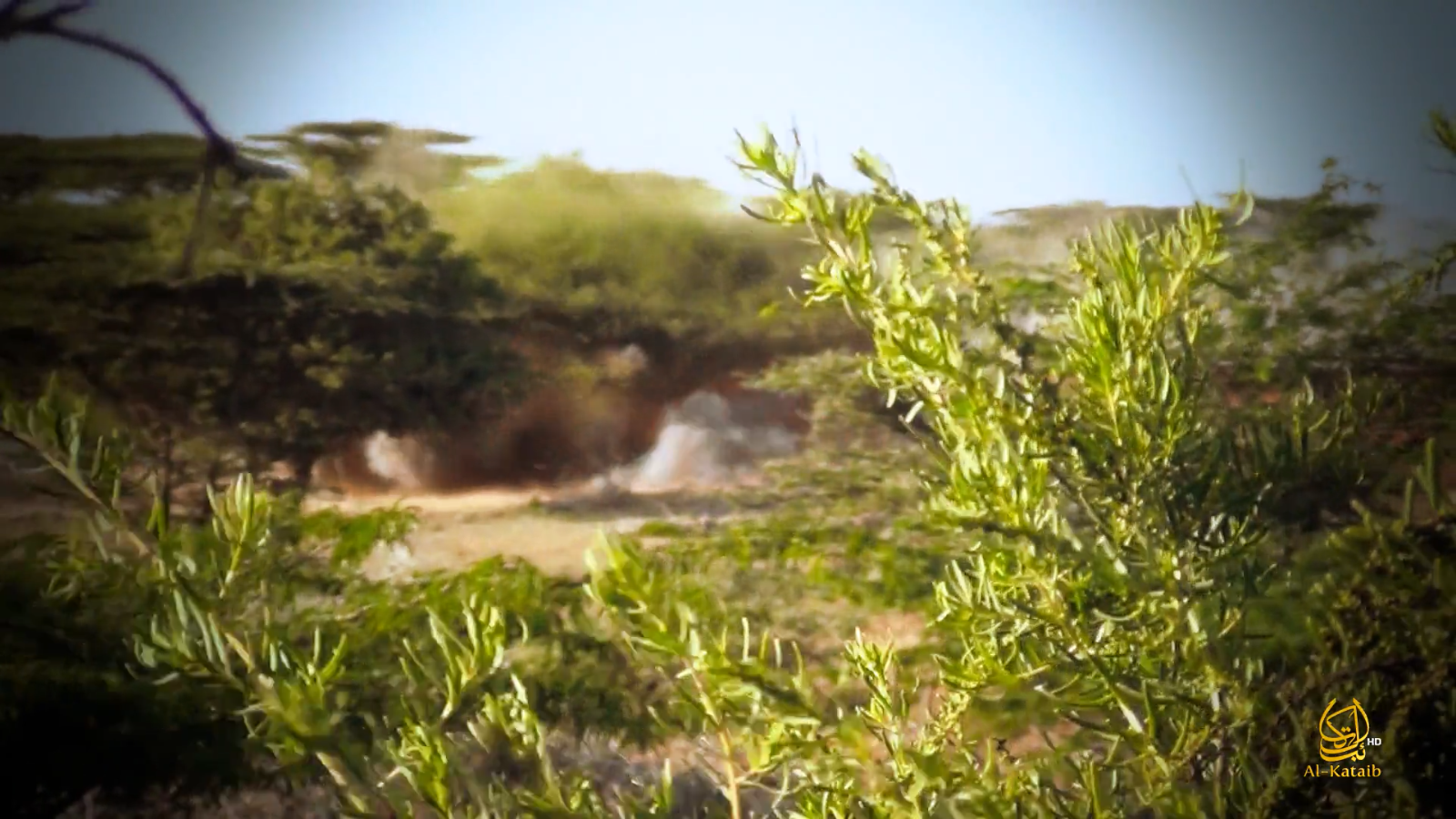
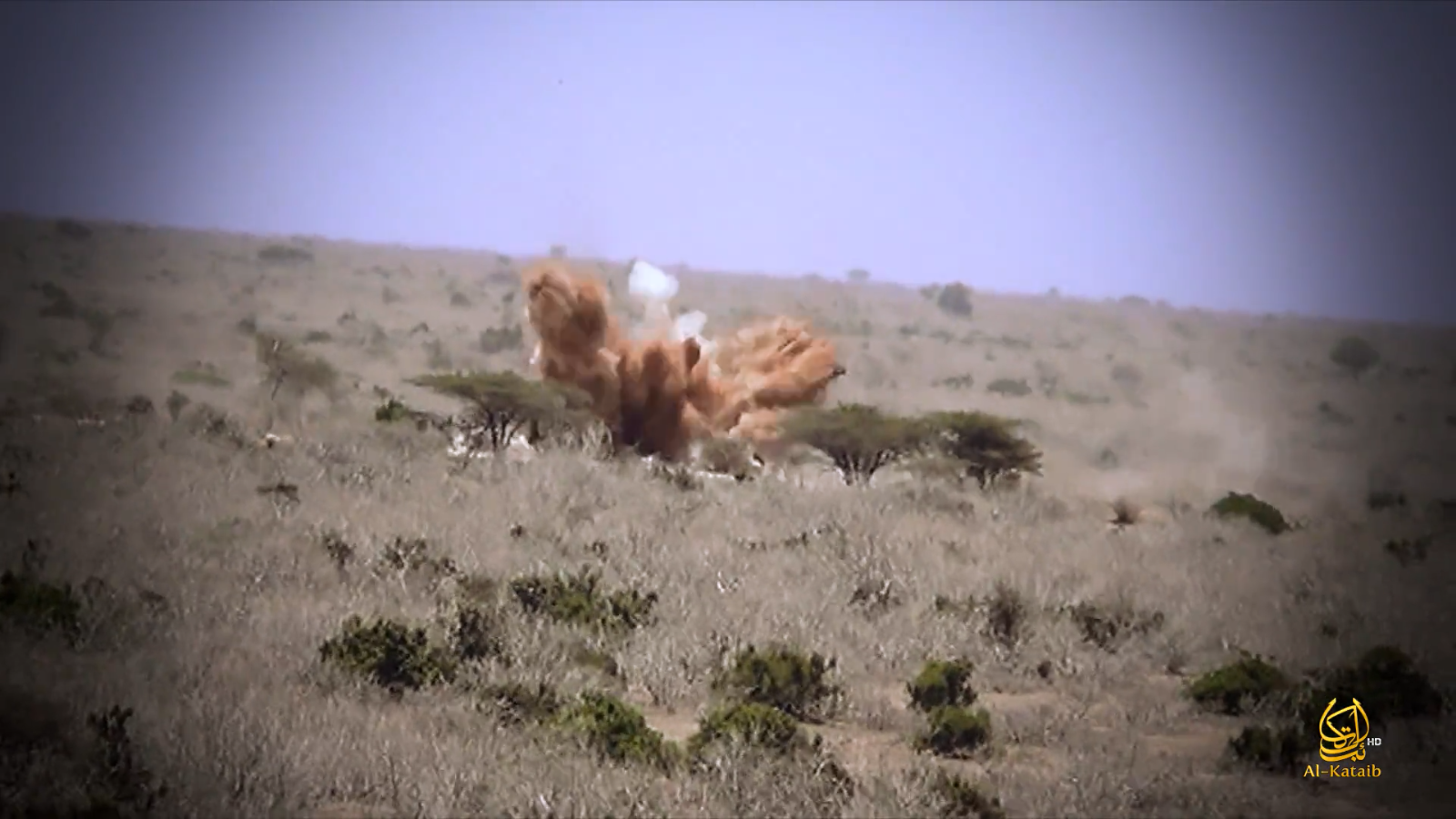
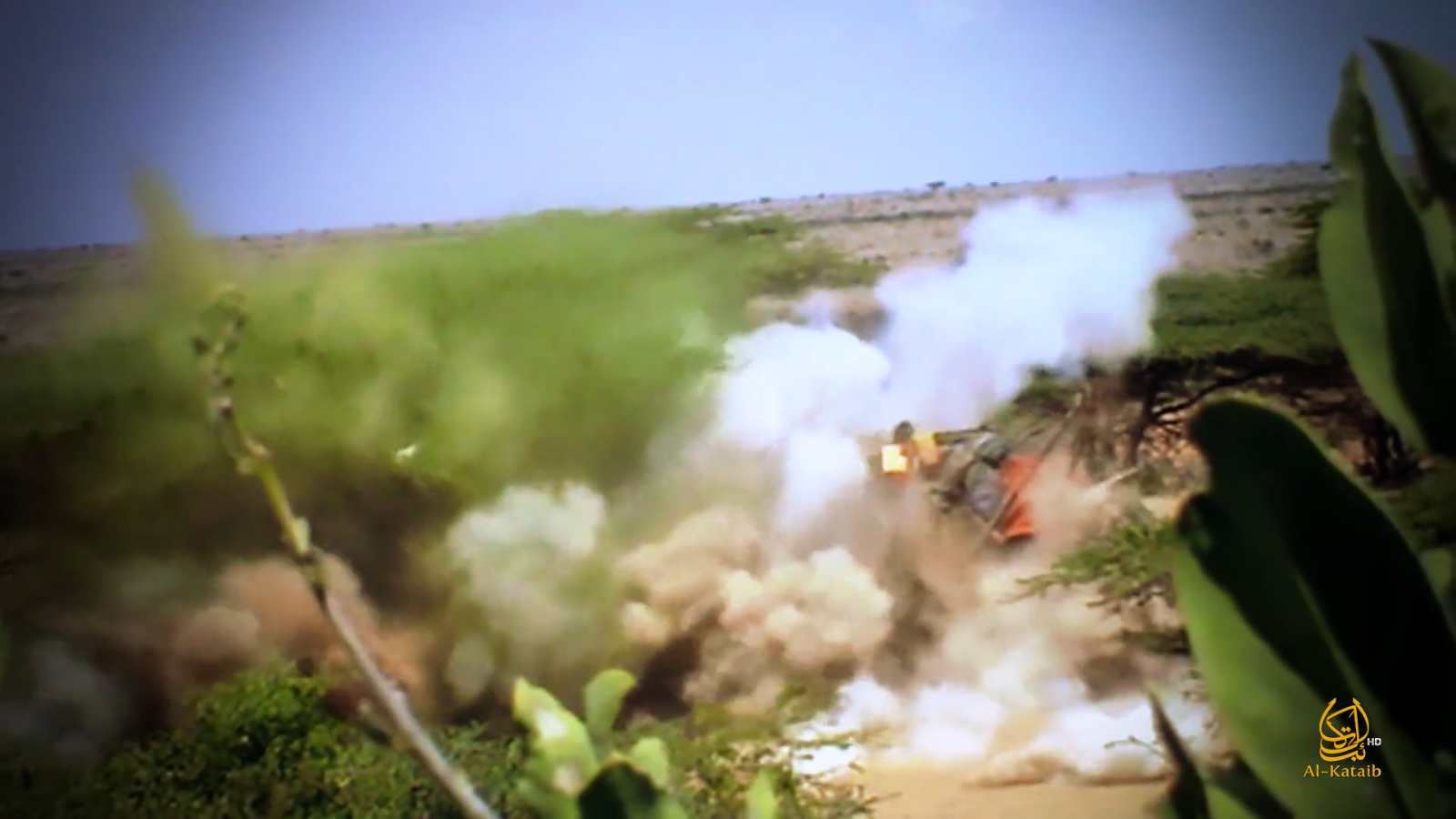
The video begins with a message that reads “From the French and those who followed suit, today we sign with the blood of the dogs from the Burundian crusaders. Tomorrow, we will sign with your blood, God willing.” After the short statement, several improvised explosive device (IED) attacks are seen on screen. Some of the vehicles targeted are African Union (AU) armored vehicles, while many others appear to be cargo or transport vehicles for the AU forces.
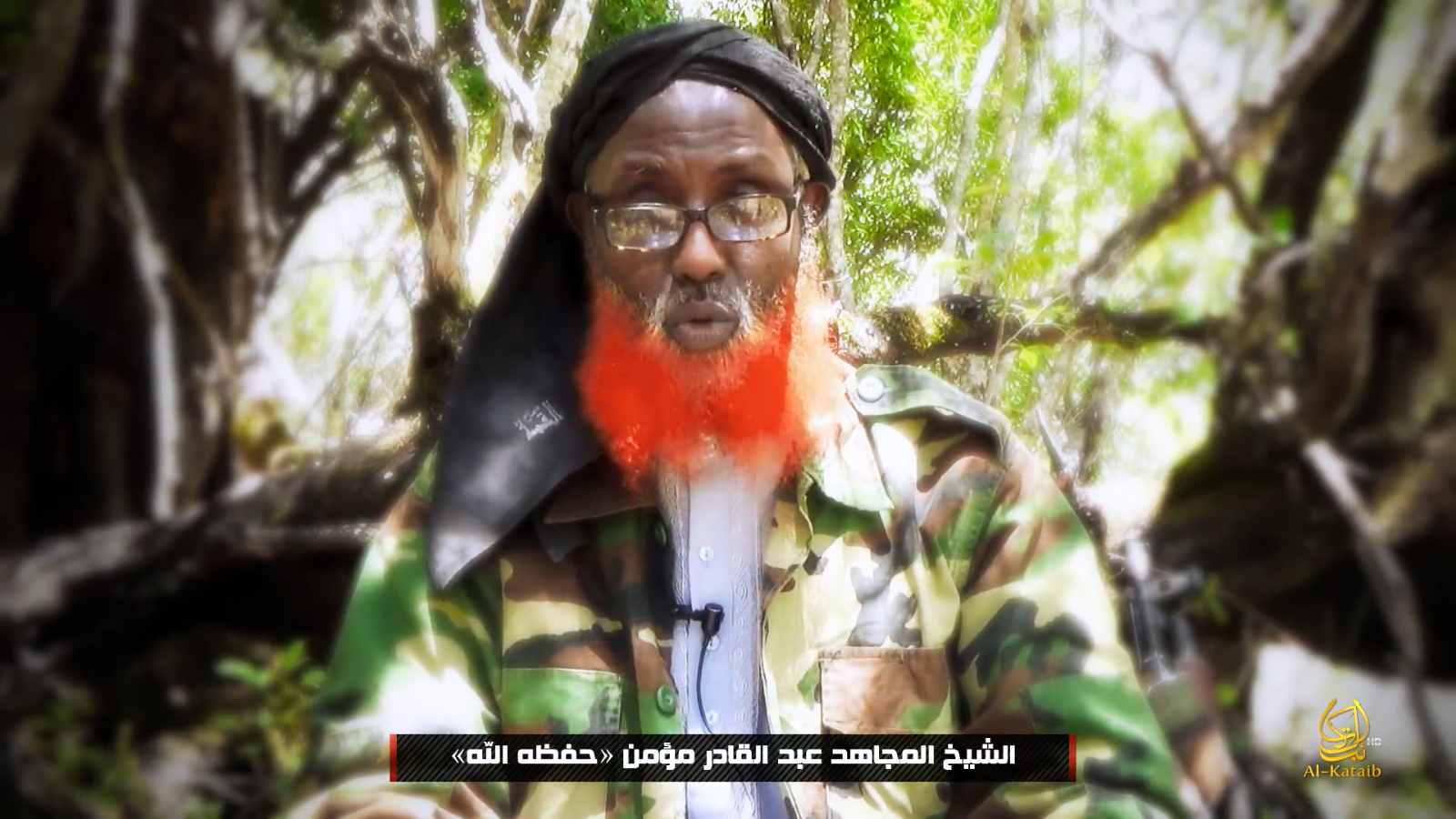
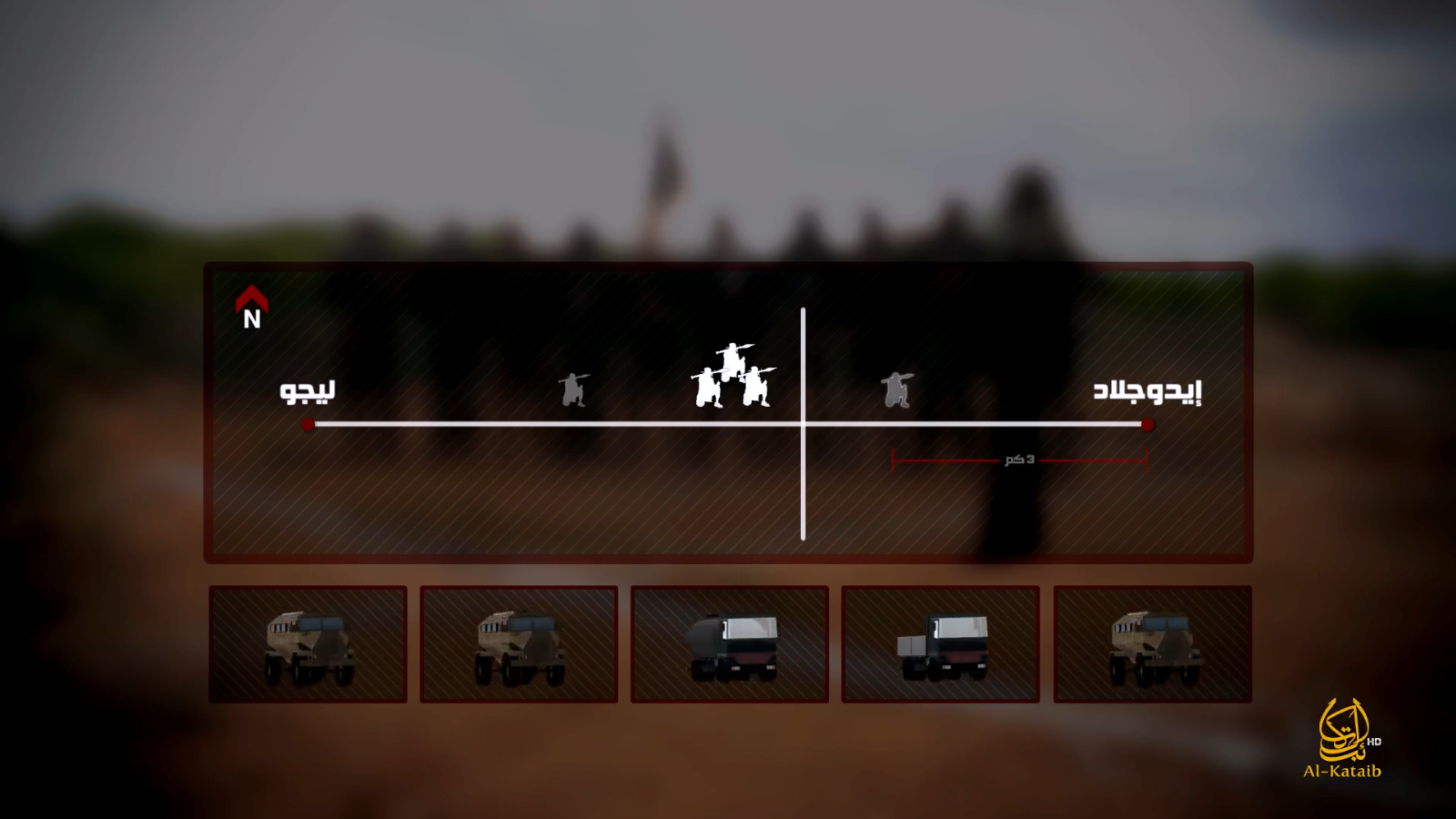
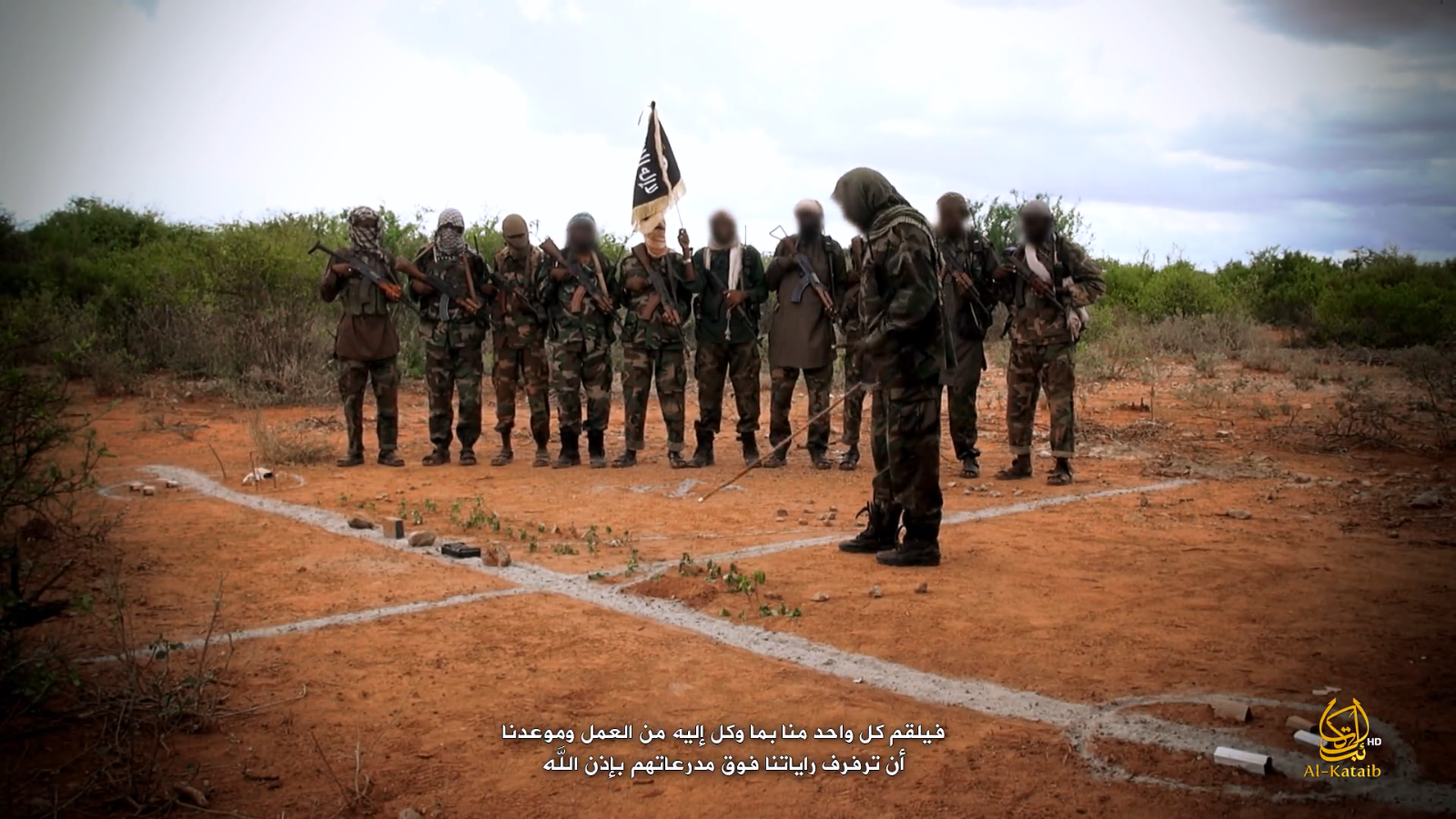
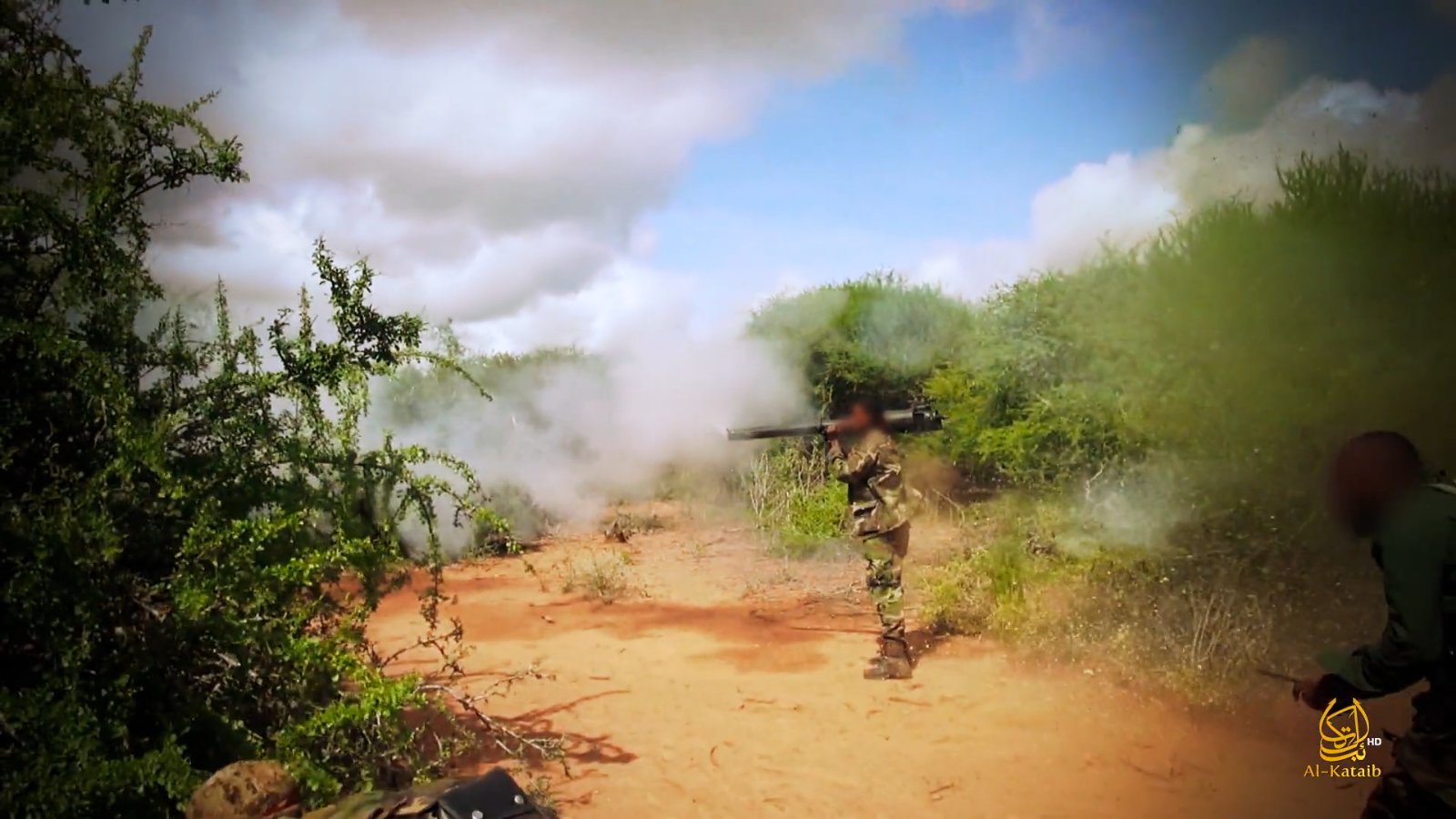
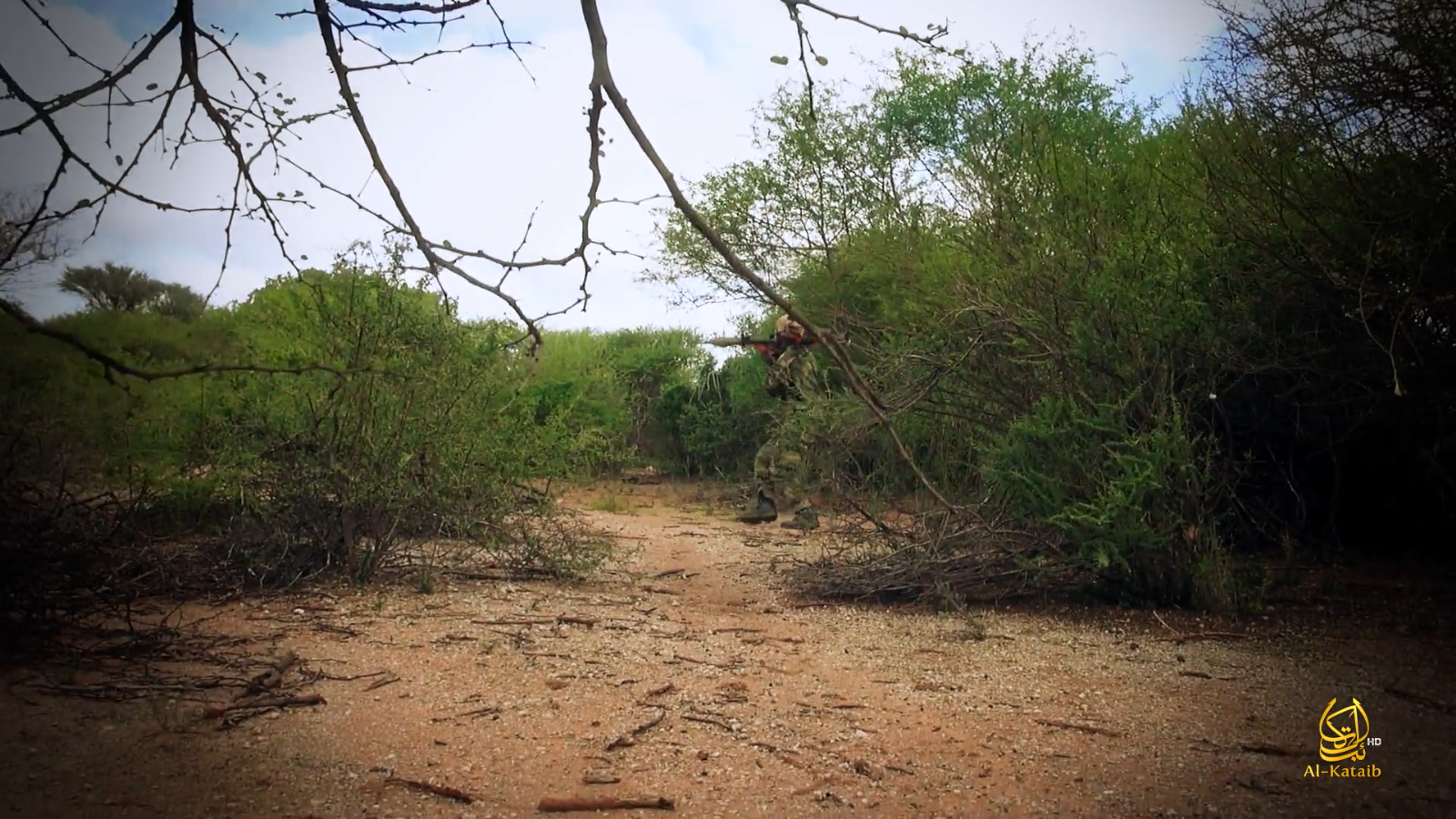
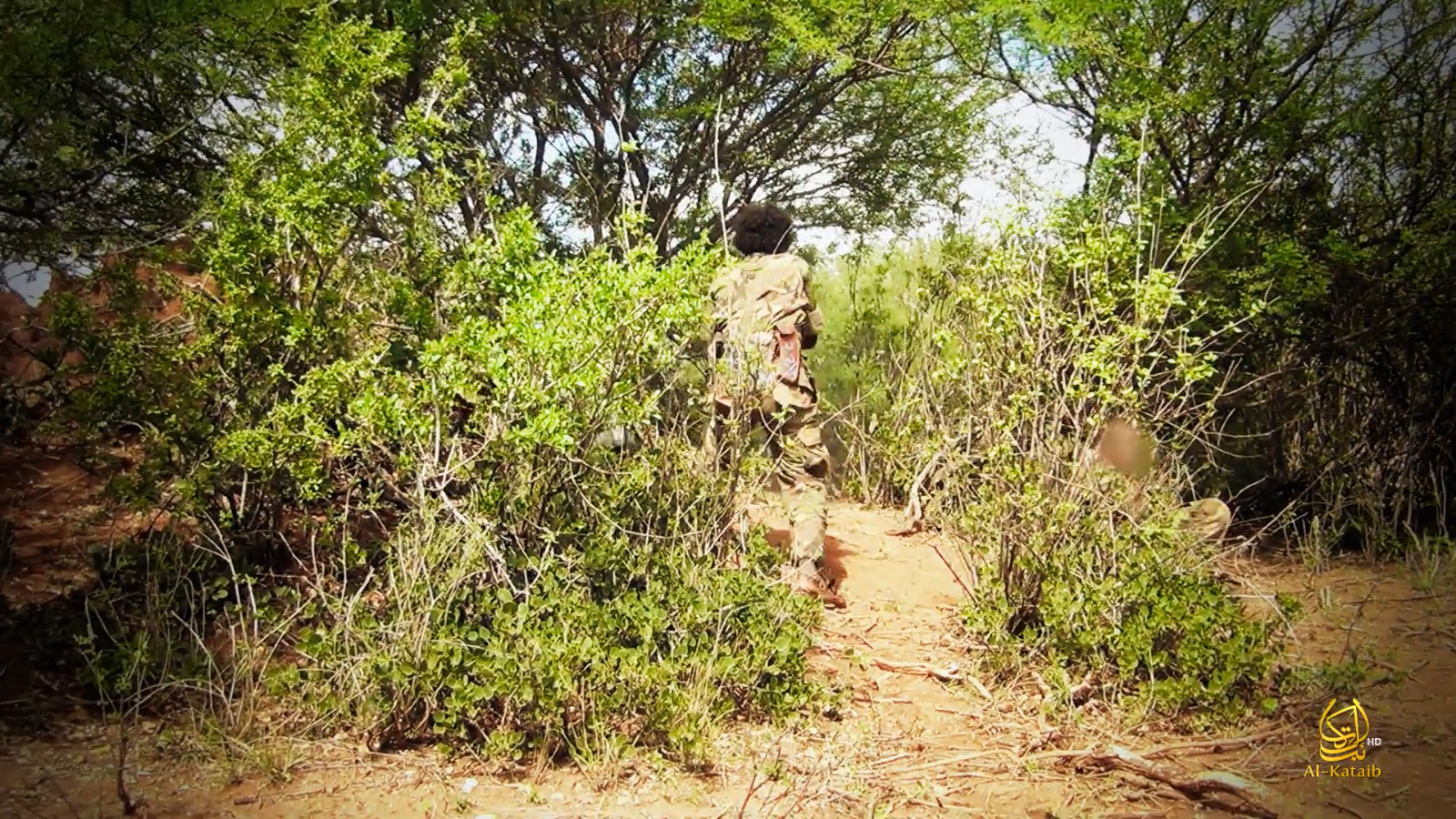
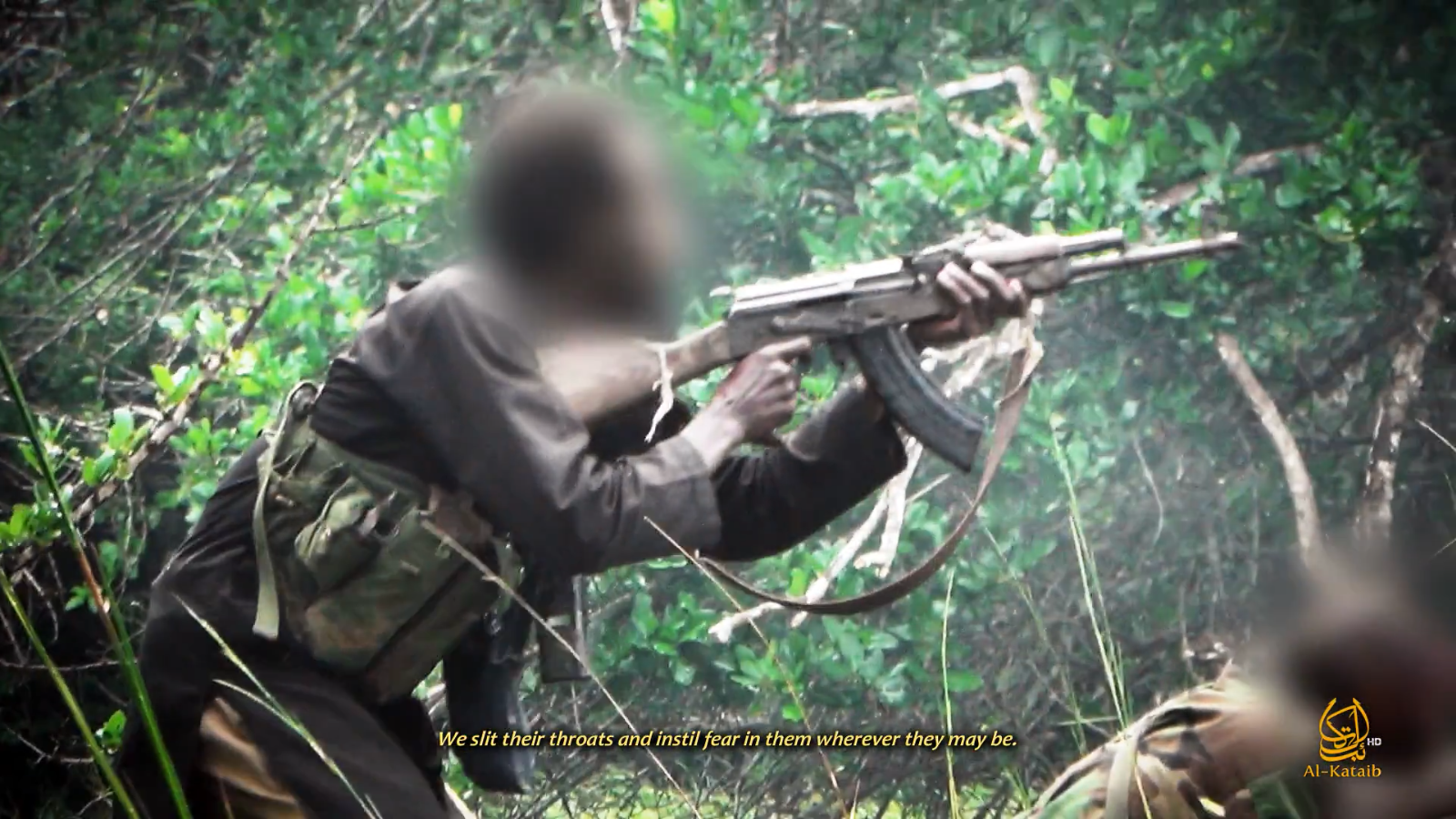
After the IED attacks, Shabaab official Abdul Qadar Mu’min delivers a short speech before the video cuts to a Shabaab military commander going over the battle plan with several fighters. These jihadists, and many others, are then shown ambushing and targeting the Burundian contingent of AU forces.
Shabaab fighters forced the Burundian troops to retreat. The jihadist group then highlights a number of the AU troops who were killed as well as some of the “spoils” gained in the fighting.
At certain points in the video, the jihadist group includes the voices of Abu Musab al Zarqawi and Ibrahim al Rubaish. Zarqawi was the founder and emir (leader) of al Qaeda in Iraq before being killed by the US in 2006. Despite his group eventually turning into what is now known as the Islamic State, Zarqawi is heavily revered by al Qaeda. Ibrahim al Rubaish was a senior al Qaeda in the Arabian Peninsula leader and Islamic scholar before his death by a US drone strike in Yemen earlier this year.
While the video details an ambush near the town of Leego, it appears to be separate from the attack on the AU base in the area late last month. That attack is said to have left around 70 Burundian troops dead out of the 100 that were stationed at the base. Shabaab also claimed that its “Sheikh Abu Zubayr Battalion,” which targeted the base, captured the town of Leego. Days later, Ethiopian troops reportedly recaptured the town from the jihadists. [For information on this attack, see LWJ report, Shabaab assaults African Union base and Threat Matrix report, Shabaab photo release verifies details of Leego attack.]
The video release comes just days after the jihadist group targeted two hotels in the Somali capital of Mogadishu. At least 16 people were killed in the attacks on the Weheliye and Siyad hotels, according to Voice of America. The al Qaeda branch regularly attacks hotels that hosts government officials and tourists. Shabaab also claimed to have fired mortars at the Mogadishu stadium, where Ugandan troops are based. No one was hurt in the mortar fire.
On July 13, Shabaab targeted a Somali military base in the central Somalian town of Rage Ceele, killing four soldiers. Additionally, it targeted Kenyan police with an IED in the town of Lamu, just near the Somali border, but no police personnel were hurt in the attack.
A Kenyan military base in Lamu was the scene of a coordinated Shabaab assault last month. The attack was repulsed and 11 militants were killed. One fighter who was killed was identified as British national Thomas Evans. Evans, who went by Abdul Hakim, originally said that he had joined the jihadist group back in 2012, according to his motherAccording to the BBC, “at least 50 British citizens are believed to have joined al Shabaab.” Kenyan authorities have also issued a $100,000 reward for the capture of a German national.
The Lamu assault came just days after Shabaab killed more than 60 Ethiopian troops in southern Somalia. Shabaab has also released several images from what it describes as the “ambush” of the Ethiopian forces. [See LWJ report Shabaab claims to kill dozens of Ethiopian troops in southern Somalia and Threat Matrix report, Shabaab releases images from the ambush of Ethiopian troops.]
Despite being pushed out of its major urban strongholds of Mogadishu and Kismayo, the jihadist group still controls large rural areas in southern Somalia. It also retains the ability to launch large-scale assaults in the country, even with a major African Union mission present. Shabaab has also increasingly been able to mount attacks across the border into neighboring Kenya.
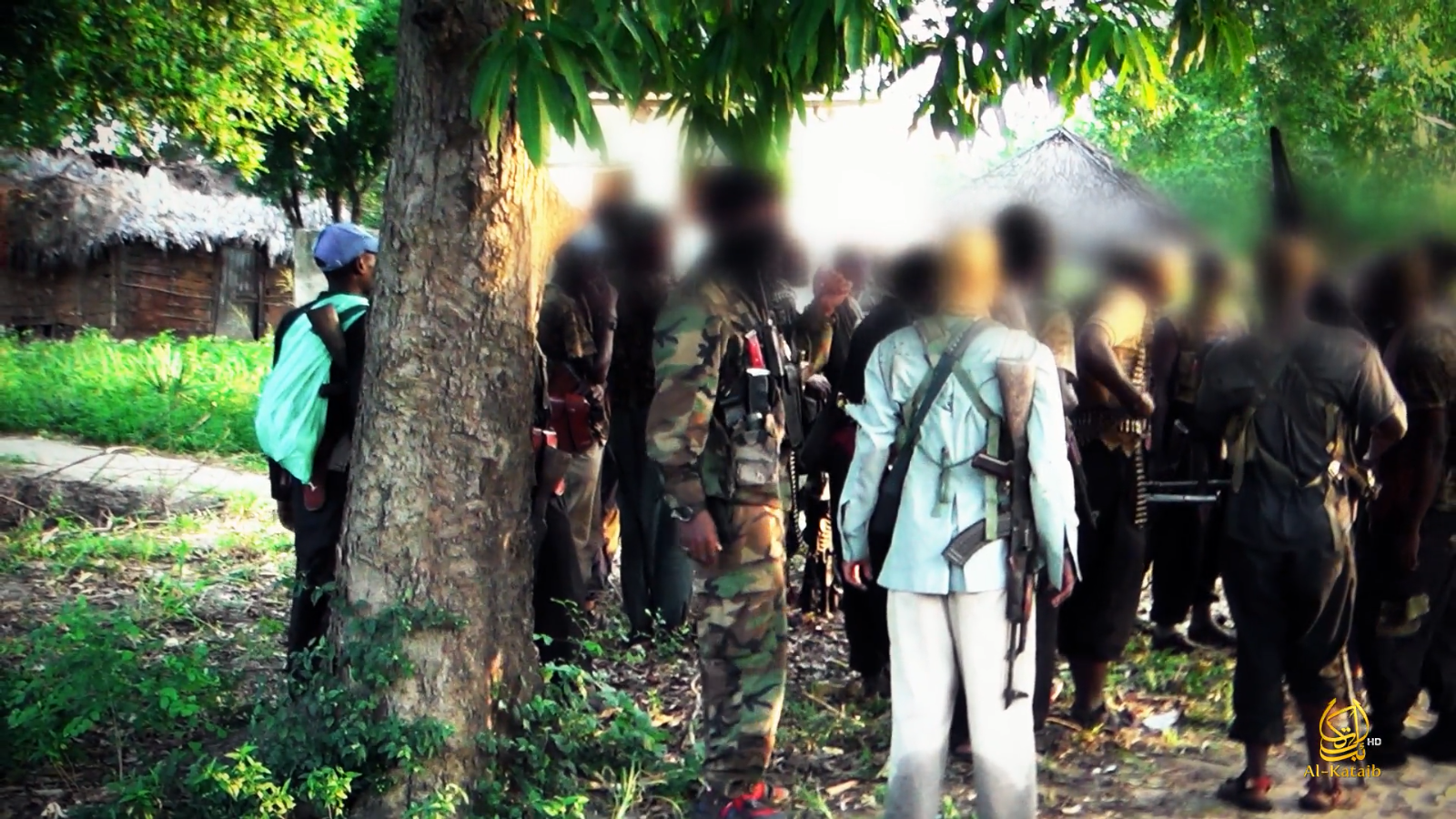
Screenshots from the video:
IED attacks:
1
2
3
Abdul Qadar Mu’min:
4
Going over the battleplan:
5
6
The fighting:
7
8
Untitled
Burundian troops retreat:
10
9
11
Caleb Weiss is an intern at the Foundation for Defense of Democracies and a contributor to The Long War Journal.

Shabaab targets Jazeera hotel in Mogadishu

Shabaab targets Jazeera hotel in Mogadishu


Jazeera hotel
The Jazeera hotel in Mogadishu
Shabaab, al Qaeda’s official branch in Somalia, has claimed responsibility for bombing the popular Jazeera hotel in the Somali capital of Mogadishu on Sunday. The blast killed more than 10 people and wounded many others.
According to the BBC, the jihadist group used a truck packed with explosives to target the hotel. A local police officer told Reuters that the truck “rammed the gates of the hotel” before detonating and an aid worker said that at least 21 people were injured in the blast. A Shabaab spokesman told Reuters that the bombing was in response to “attacks and helicopter bombing against al Shabaab by AMISOM and the Somali government.”
AMISOM, or the African Union’s Mission in Somalia, recently forced Shabaab from two of its strongholds in southern Somalia. On July 22, AMISOM and Somali troops drove the jihadist group out of Bardere in the Gedo region. According to Somali media, the town was recaptured without a fight. Two days later, the town of Dinsor in the Bay region was also recaptured by a joint AMISOM-Somali mission. The two missions are part of a larger joint offensive to drive Shabaab out of its remaining strongholds in the country.
The bombing occurred a day after Shabaab assassinated a Somali MP and another official from the prime minister’s office in two separate attacks in Mogadishu.
The Jazeera hotel has been targeted in the past by the jihadist group. In early 2014, Shabaab launched a complex assault on the hotel. Three bombs exploded within an hour of each other, killing 11 people.  The first attack occurred when a suicide bomber drove into the gate of the hotel, killing himself and four other people, while the second attack was a car bomb that detonated as first responders rushed to the scene. The third bomb exploded approximately one hour later in a car being searched by the military. [See LWJ report, 2nd Shabaab attack on Mogadishu’s Jazeera hotel.]
In September 2012, the group sent three suicide bombers to attack Somalia’s new president and Kenya’s foreign minister as they were speaking at the hotel. The two officials escaped unhurt, but at least seven people were killed.
Shabaab routinely targets hotels in the Somali capital, as these are often meeting places for government officials and foreigners. On March 27, Shabaab stormed a hotel and briefly seized control of it before the jihadists were killed by security forces. On Feb. 20, a suicide assault team hit the Central Hotel, a gathering place for Somali parliamentarians and members of government, killing several senior Somali politicians. On Jan. 22, Shabaab claimed credit for the bombing at the SYL Hotel in Mogadishu that killed three people. The attack took place as Turkish President Recep Tayyip Erdogan and a delegation were at the hotel.
The hotels sit in one of the most heavily fortified areas of Mogadishu, but the jihadist group retains the ability to strike in high-security zones of the capital. Last year, Shabaab attacked the parliament, the president’s compound, and a high security intelligence headquarters. In June 2013, a Shabaab team struck at the United Nations Development Program (UNDP) compound in Mogadishu; several UNDP employees were killed and the jihadist group briefly took over the compound.
While Shabaab has lost many of its major urban strongholds and areas in the rural south, it still controls large portions of southern Somalia and remains a potent force. The group maintains the capacity to conduct attacks inside Mogadishu and stage major attacks on African Union forces in the country. Shabaab has also increasingly been able to mount large operations into neighboring Kenya.

Shabaab photo release details attack on AMISOM base


Shabaab photo release details attack on AMISOM base

13
Shabaab’s flag flies in the AMISOM base
Last week, a large Shabaab attack on an African Union Mission in Somalia (AMISOM) base near the Somali capital of Mogadishu left at least a dozen Ugandan troops dead. The Ugandan military confirmed twelve of its troops were killed, however, there are conflicting reports on the actual number of casualties.
According to a statement released by Shabaab, al Qaeda’s official branch in Somalia, one of its fighters rammed a vehicle packed with explosives into the perimeter of the base in Janale. A team of heavily armed fighters then entered the breach and attacked the troops inside. While the jihadists were assaulting the base, another team destroyed a nearby bridge to cut off any reinforcements, a Somali military officer told Reuters on Sept. 1. The same statement said that 50 AMISOM troops were killed in the assault. [See LWJ report, 12 Ugandan troops killed as Shabaab assaults base in Somalia.]
The pictures released by Shabaab today corroborate most of the claims in the statement. A suicide bomber is shown detonating near the base before jihadists move into the base. The group claimed that the suicide bombing killed 40 soldiers in the blast. However, only 12 bodies of Ugandan troops are shown in the released images, backing up the official Ugandan claim. Additionally, a large amount of weapons and ammunition is also shown to have been captured by Shabaab.
The attack was undertaken by Shabaab’s Sheikh Abu Zubayr Battalion, which is named after the Shabaab leader who was killed by a US drone strike last year. In June, the jihadist group said the battalion killed more than 60 Ethiopian troops. Shabaab released photographs which appeared to back up that claim.
In late June, the battalion assaulted an African Union base in the southern Somalian town of Leego and reportedly killed more than 50 Burundian troops stationed there. Unconfirmed reports indicated that 15 suicide bombers were used in the attack, and some Burundian troops were beheaded.
Shabaab continues to remain a persistent threat despite being pushed out of its major urban strongholds of Mogadishu, Kismayo, and other large cities and towns in southern and central Somalia. It still controls large rural areas in southern Somalia, and uses these safe havens to launch large-scale assaults in the country, even with a major African Union mission present. Shabaab has also increasingly been able to mount attacks across the border into neighboring Kenya.
The jihadist group has also been able to retake strategic towns in recent days after AMISOM troops withdrew. Shabaab said it took over Buqda in the Hiran region, as well as the town of Kurtunwarey in the Lower Shabelle. Radio Andalus, a Shabaab radio station and website, has reported today that the town of Muuro Gaabay, which sits close to the capital of the Bakool region, has been captured by the jihadist group.
Photos from the Janale attack:
cosyfgiwuaaia4o
file111
file110
cosziftwoaaduix
3
4
11
12
14
15
16
Caleb Weiss is an intern at the Foundation for Defense of Democracies and a contributor to The Long War Journal.

Shabaab photo report shows attack on Somali base

10-Copy
Shabaab’s flag flying over the Somali military camp
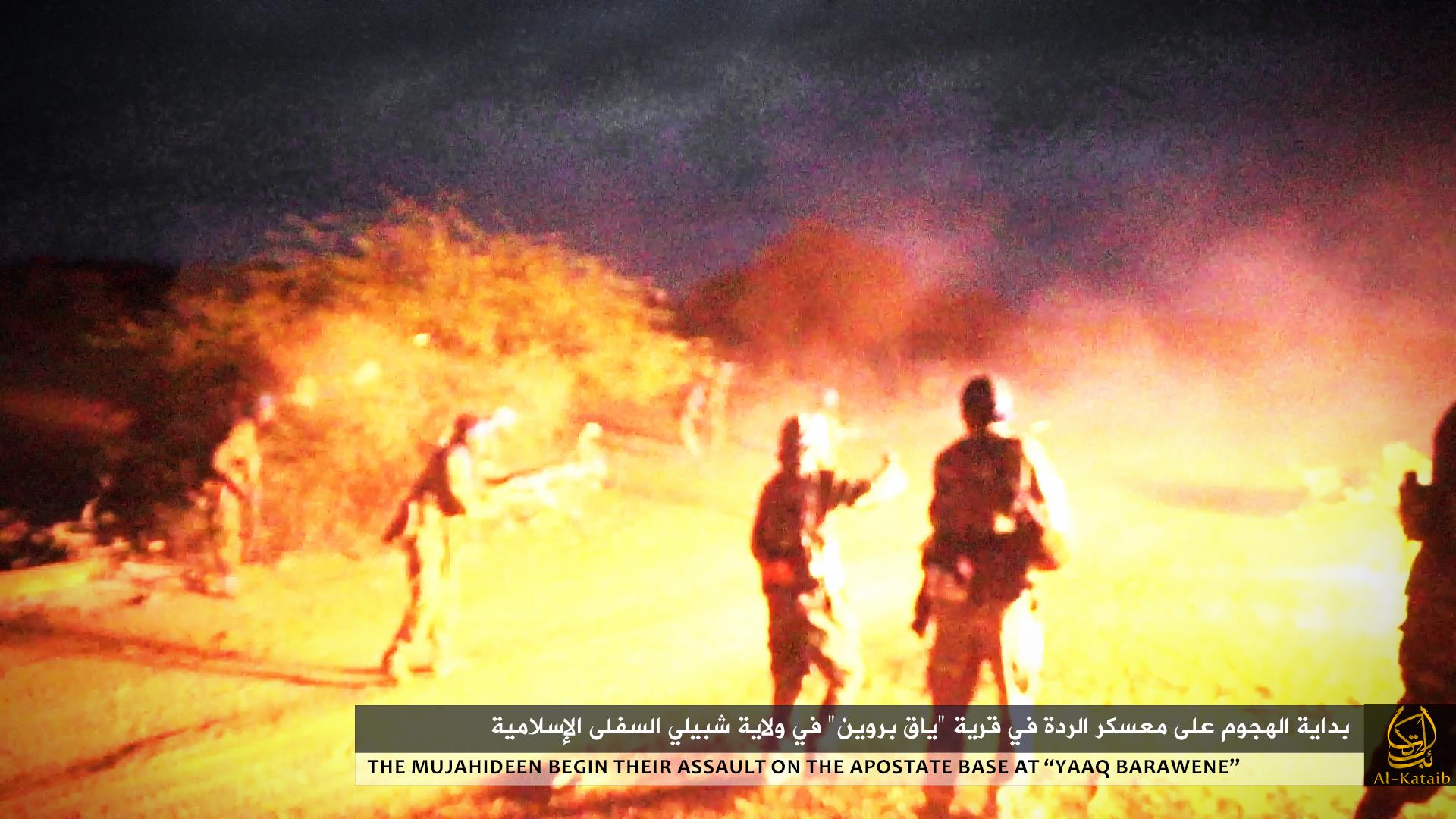
Shabaab, al Qaeda’s official branch in Somalia, has released a photo report detailing last month’s attack on a Somali military camp in the town of Yaaqbariweyne in the Lower Shebelle region. The jihadist group said that 15 Somali soldiers were killed, but this number cannot be confirmed by The Long War Journal.
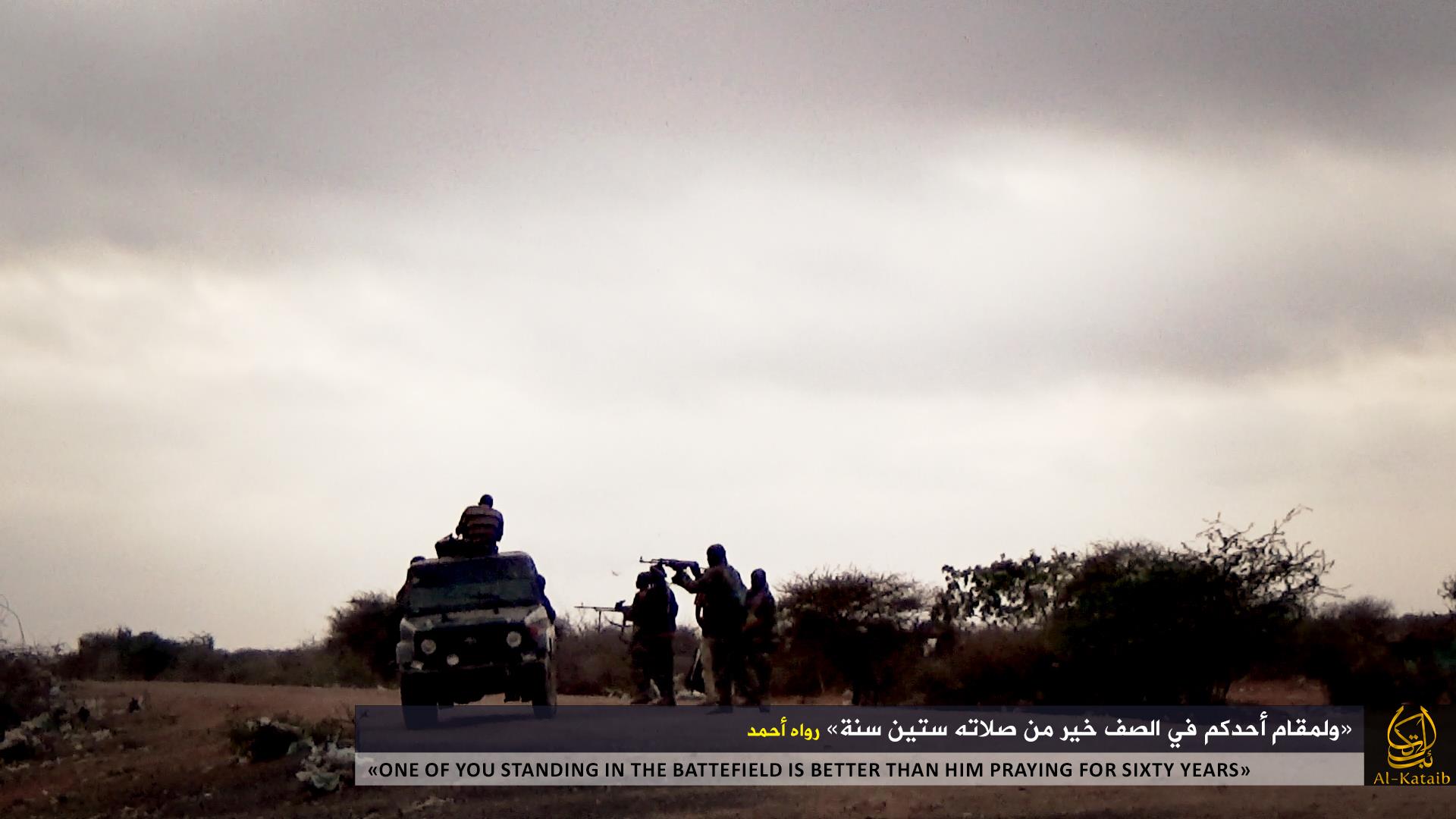
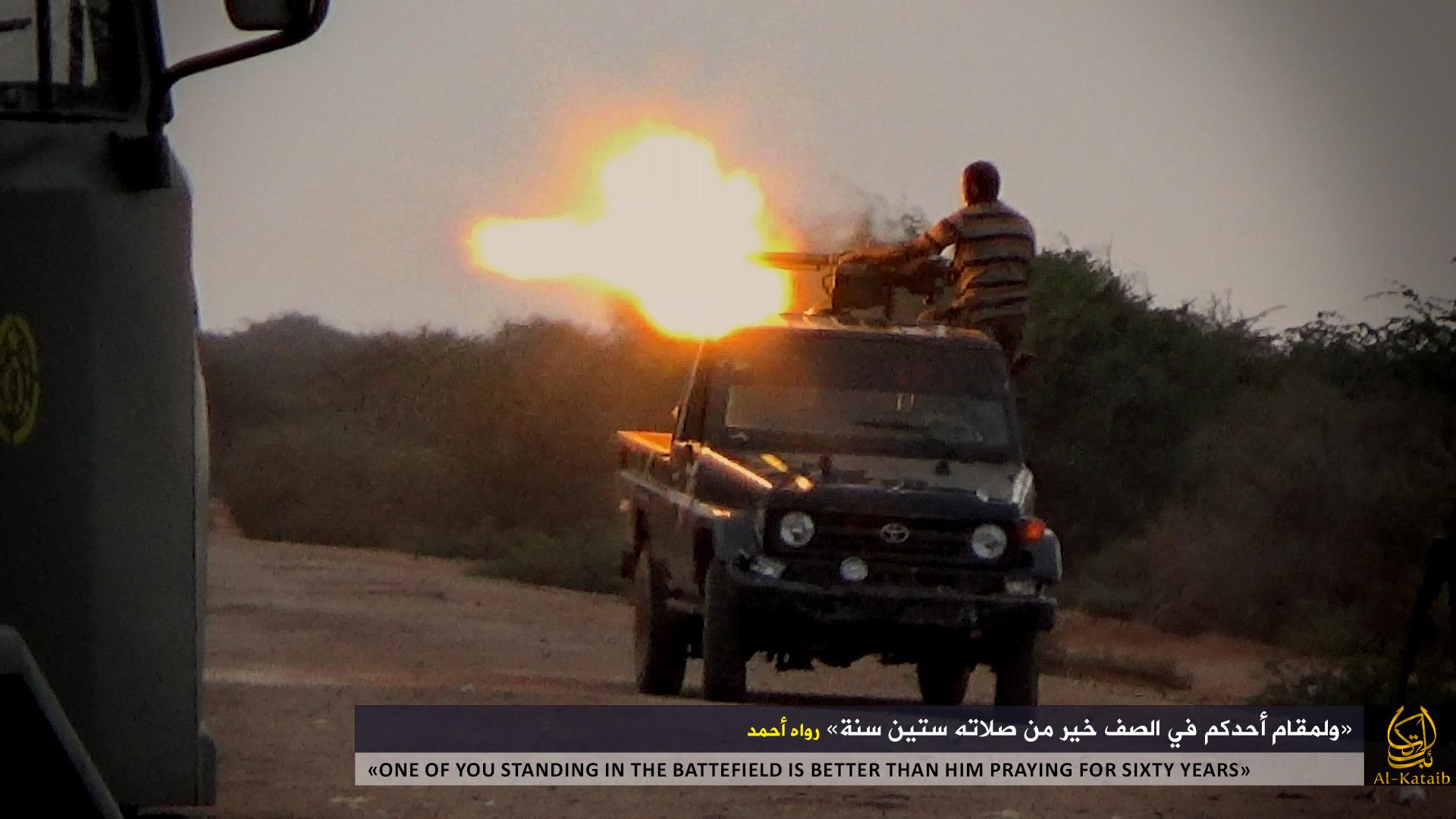
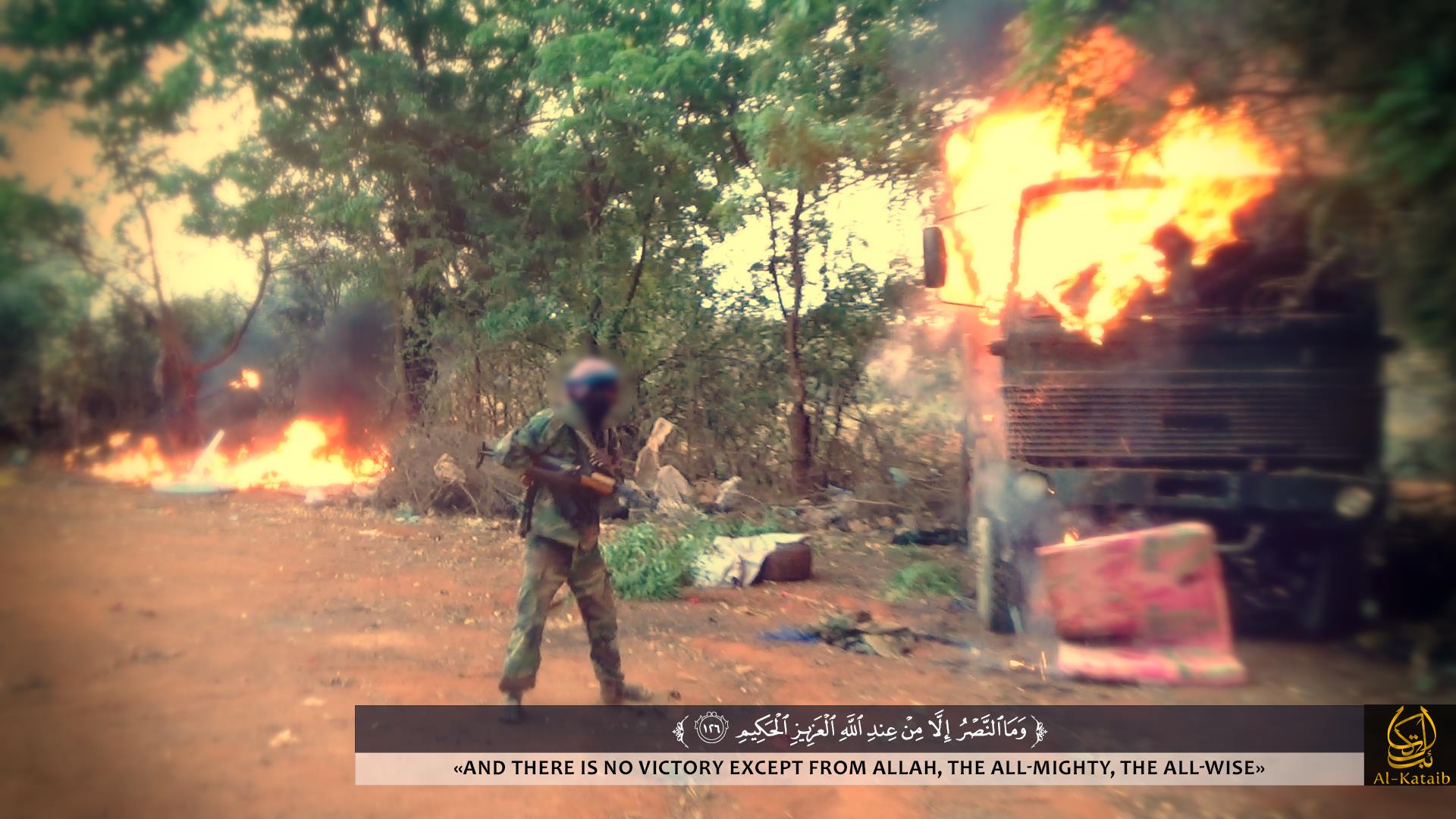
The photos show Shabaab fighters storming the base with small arms and technicals (armored pick up trucks) and burning several tents and vehicles at the base. Several photos show dead Somali soldiers, while one shows that at least soldier was taken captive and then was likely killed. The last photos show a large amount of weapons and four vehicles taken as “spoils.”
The Sept. 18 attack, according to Somali media, began at dawn when the jihadists attacked the base from two sides. After heavy fighting, Shabaab was then able to take both the base and the Yaaqbariweyne town, according to a local official. It is unclear if the group still holds the town, but the attack occurred while Shabaab was attacking other towns in southern Somalia. On Sept 6, Shabaab said it took over Buqda in the Hiran region, while a day later it overran Kurtunwarey in the Lower Shabelle. On the same day, Shabaab reported its forces took over the town of Muuro Gaabay, which sits close to the capital of the Bakool region.
The recapturing of several towns and cities, as well as several large-scale attacks on African Union (AU) forces in Somalia, has prompted the United Kingdom to send troops to help the AU and Somali forces. Shabaab has responded to this intervention by saying “Insha’allah [God-willing], decapitated bodies will be hung in the streets.”
Shabaab continues to remain a persistent threat despite being pushed out of its major urban strongholds of Mogadishu, Kismayo, and other large cities and towns in southern and central Somalia. It still controls large rural areas in southern Somalia, and uses these safe havens to launch large-scale assaults in the country, even with a major African Union mission present. Shabaab has also increasingly been able to mount attacks across the border into neighboring Kenya.
[For information on recent Shabaab attacks on AU forces, see LWJ reports, 12 Ugandan troops killed as Shabaab assaults base in SomaliaShabaab claims to kill dozens of Ethiopian troops in southern SomaliaShabaab assaults African Union baseShabaab ambushes Burundian troops near Leego and Threat Matrix report Shabaab releases images from the ambush of Ethiopian troops.]
Photos from Yaaqbariweyne:
01-Copy
02-Copy
03-Copy
04-Copy
06-Copy
07-Copy
08-Copy
09-Copy
11-Copy
13-Copy
Caleb Weiss is an intern at the Foundation for Defense of Democracies and a contributor to The Long War

Shabaab photo release shows aftermath of ambush in central Somalia

Shabaab photo release shows aftermath of ambush in central Somalia

CSfC3X_WIAEWDR4
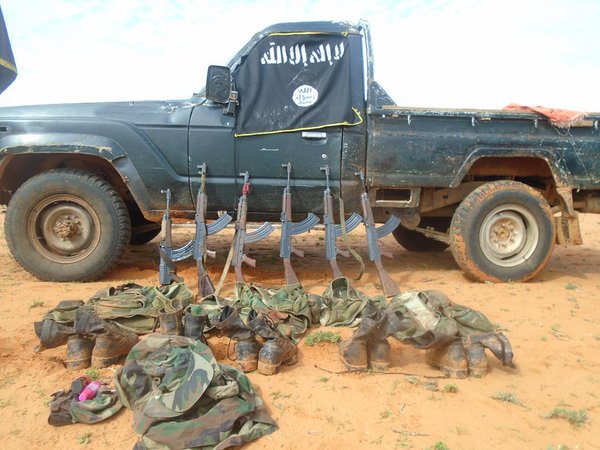
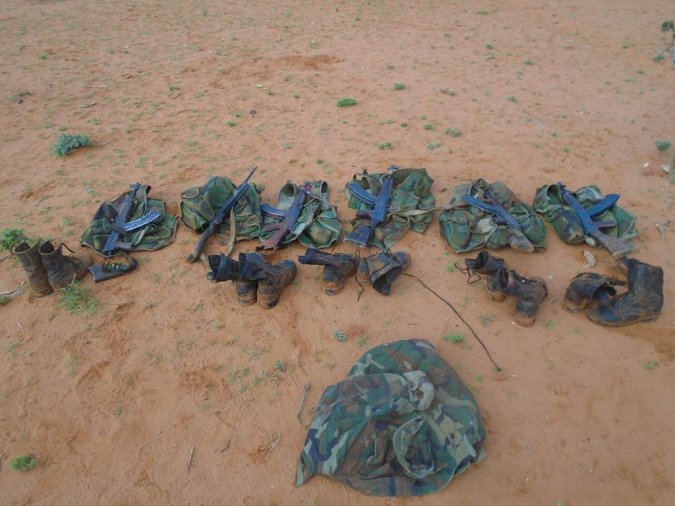
Weapons taken after the ambush
Shabaab, al Qaeda’s official branch in Somalia, has released a photographs detailing the aftermath of an ambush on “government militias” in central Somalia. It was released on the jihadist group’s Shahaada website.
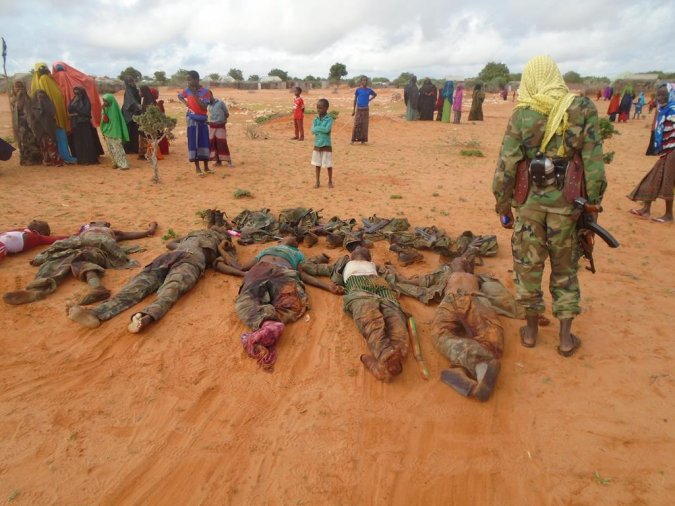
Shabaab claims that “at least six members of government militias were killed by the Harakat Shabaab al Mujahideen (Mujahideen Youth Movement, the Arabic name for Shabaab) in the outskirts of the city of Eil Buur in Galgaduud Province, central Somalia.” The group goes on to try to justify the attack by saying that the “ambush comes at a time when the government militias were trying to loot money from the people who live in the outskirts of Eil Buur.”
The photos show six dead bodies, including one image shown below. Other photos highlight the “spoils” gained in the attack, which include six AK-47 assault rifles, ammunition, and the gear from the militia members. It is unclear if the truck included in one photo was also taken from the militia.
The al Qaeda branch has been able to capture several towns in Somalia in recent months. On Sept. 18, Shabaab took over Yaaqbariweyne town, according to a local official. It is unclear if the group still holds the town, and the attack occurred while Shabaab was attacking other towns in southern Somalia. On Sept 6, Shabaab said it took over Buqda in the Hiran region, while a day later it overran Kurtunwarey in the Lower Shabelle. On the same day, Shabaab reported that its forces took over the town of Muuro Gaabay, which sits close to the capital of the Bakool region.
Shabaab continues to remain a persistent threat despite being pushed out of its major urban strongholds of Mogadishu, Kismayo, and other large cities and towns in southern and central Somalia. It still controls large rural areas in southern Somalia, and uses these safe havens to launch large-scale assaults in the country, even with a major African Union mission present. Shabaab has also increasingly been able to mount attacks across the border into neighboring Kenya. And while the Islamic State continues to make a push for the al Qaeda branch to switch allegiances to it, only a small number of fighters have actually done so and its leadership remains staunchly loyal to Ayman al Zawahiri.
Photo released by Shabaab showing weapons, ammunition, and gear taken from the militia:
6
Photo showing the dead bodies of the militiamen. Warning: Photo is graphic:
5
Caleb Weiss is an intern at the Foundation for Defense of Democracies and a

State Department offers rewards for information on 6 Shabaab leaders

State Department offers rewards for information on 6 Shabaab leaders

10-Copy
Shabaab fighters fly their flag over a Somali military camp.
The US State Department today announced rewards for “information leading to the identification or location of six key leaders of” Shabaab, al Qaeda’s official branch in East Africa.
The highest reward, of up to $6 million, is being offered for information on the whereabouts of Abu Ubaidah Ahmad Umar (a.k.a. Direye), who was named Shabaab’s emir shortly after his predecessor, Mukhtar Abu Zubayr (a.k.a. Godane), was killed in September 2014.
Shabaab made it clear when Abu Ubaidah’s leadership role was announced that he and others in the group’s hierarchy are loyal to Ayman al Zawahiri, al Qaeda’s head man.
In an audio message released in early September but recorded months earlier, Zawahiri officially recognized Abu Ubaidah’s appointment. “I endorse their [Shabaab’s] choice of the noble brother, Sheikh Abu Ubaidah Ahmad Umar, as their emir, and I ask God to grant him success in bearing the responsibility of dawa [Islamic proselytizing] and jihad,” Zawahiri declared. “I request of him to exert all of his efforts to institute sharia as the undisputed ruler and master in East Africa.”
Zawahiri went on to offer Shabaab’s new emir advice, speaking as if Abu Ubaidah rules over an emirate (state) or province. “May he seek recourse to gentleness, patience, and kindness, for they are the best helpers of the governor over his wilayat (province) and of the emir over his emirate,” Zawahiri said.
Abu Ubaidah was added to the US government’s list of designated terrorists in April. State noted at the time that he “shares Godane’s vision for Shabaab’s terrorist attacks in Somalia as an element of al Qaeda’s greater global aspirations.”
As of today, State is also offering rewards of “up to $5 million each for information on” three other Shabaab leaders: Mahad Karate, Ma’alim Daud, and Hassan Afgooye.
Karate (a.k.a. Abdirahman Mohamed Warsame), like Abu Ubaidah, was designated as a terrorist by the US government in April. In its announcement today, State says he “has played a key role in the wing of [Shabaab] responsible for assassinations and the April 2 attack on Garissa University College” in Kenya. The attack on Garissa left approximately 148 people dead and dozens more wounded.
Foggy Bottom previously identified Karate as a key figure in Shabaab’s Amniyat. According to a UN report published in 2013, the Amniyat “combines a wide range of responsibilities, ranging from intelligence gathering and counter-intelligence to clandestine and special operations.” In addition to its other roles, the Amniyat is responsible for protecting Abu Ubaidah and eliminating any threats to his authority from within the jihadist organization.
Ma’alim Daud is “responsible” for Shabaab’s “planning, recruitment, training, and operations against the government of Somalia and Western targets,” according to State. And Hassan Afgooye “oversees a complex financial network whose activities range from fake charities, and fundraising to racketeering and kidnapping in support of [Shabaab’s] activities.”
Two other jihadists, Maalim Salman and Ahmed Iman Ali, now have rewards of up to $3 million on their heads as well. Salman leads Shabaab’s “African foreign terrorist fighters and has been involved in operations in Africa targeting tourists, entertainment establishments, and churches.”
Ali, according to State, has “recruited Kenyan youth and raised funds” for the al Qaeda branch. Indeed, Ali has led an organization named Al Hijra, which is openly loyal to Shabaab and al Qaeda. In 2012, Shabaab officially named him as the head of its Kenyan arm. [For more on Al Hijra, see LWJ report: UN warned of Shabaab ally’s ‘new and more complex operations’ in Kenya.]
Shabaab showcases attacks in Kenya in new video

Shabaab showcases attacks in Kenya in new video

head
Fighters from Shabaab’s Jaysh Ayman walking to the ambush point in Lamu County, Kenya
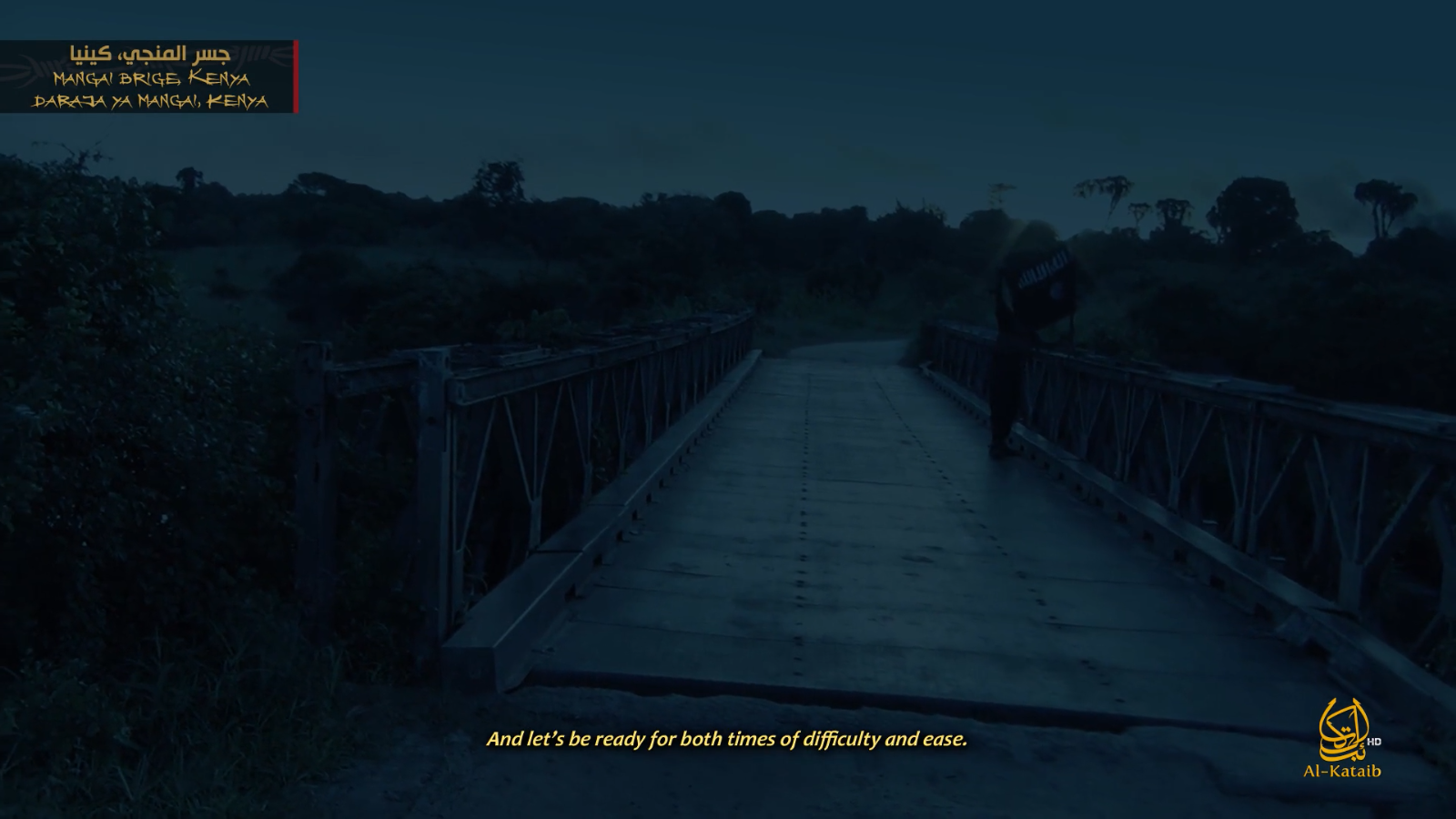
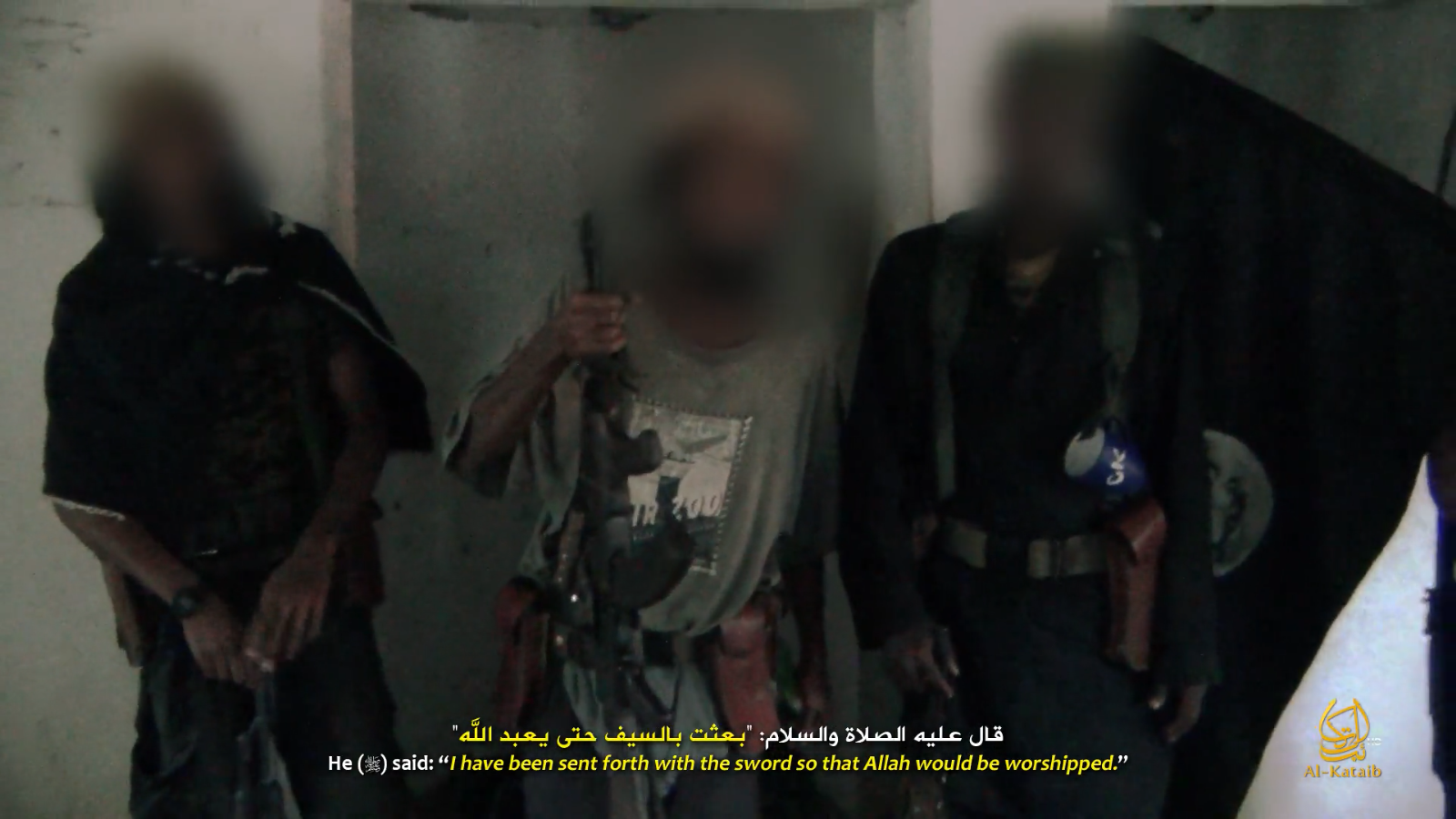
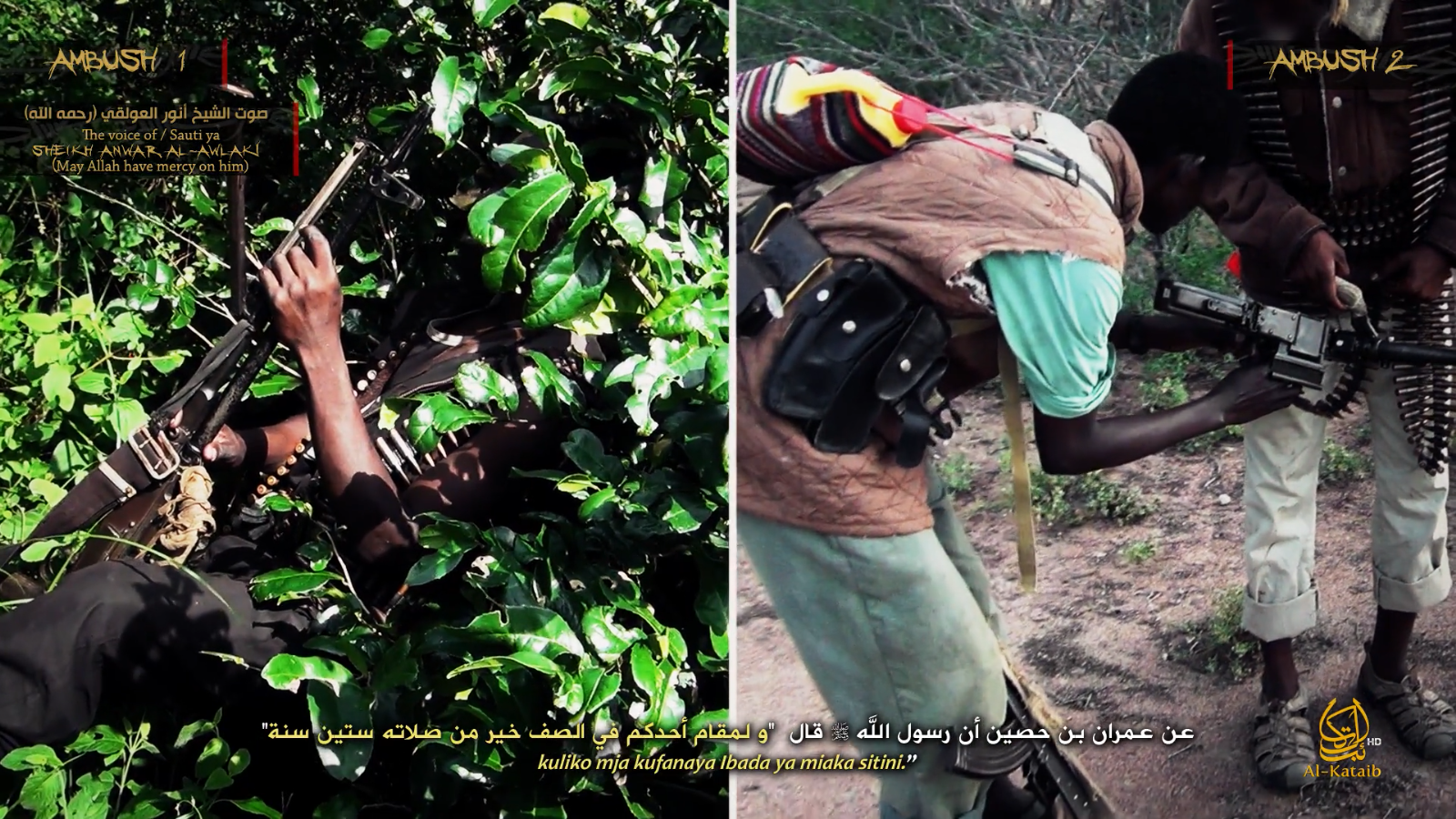
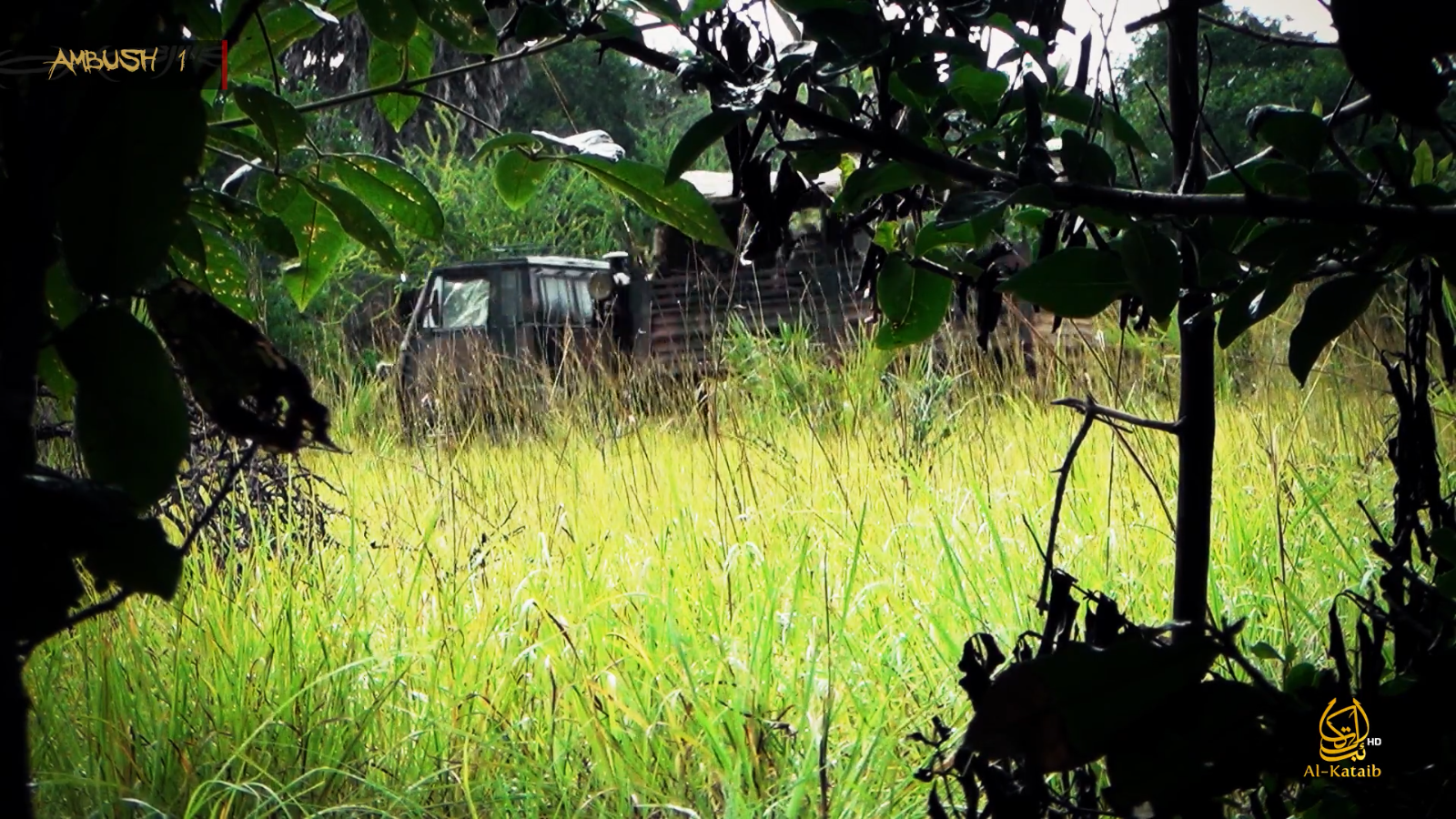
A newly released video by al Qaeda’s branch in East Africa, Shabaab, showcases two separate ambushes of Kenyan troops in Lamu County, Kenya. It is unclear when the ambushes took place, however, the jihadist group has perpetrated several attacks in the region recently. The jihadist group also calls for attacks on Israel and Jews in Palestine in the last few minutes of the propaganda.
The video begins with a quote from Abu Musab al Zarqawi, the founder of al Qaeda in Iraq, the predecessor to the Islamic State. The statement is meant to provide justification for “killing non-believers” as the video is focused on this subject. “Every disbeliever therefore, who does not enter a peace accord with Muslims either through dhima, a ceasefire, or a covenant of protection, is considered a hostile disbeliever possessing absolutely no protection with the exception of those whom the Shari’ah has prohibited killing such as women and children,” Zarqawi states.
The video then shows the Shabaab fighters crossing into Lamu County and talking with residents of a nearby village. A jihadist is shown asking a resident “Are there any kuffar [apostates] in this place?” before being assured by the civilian that “only Muslims live here.” Another jihadist then makes a speech to the village warning them against “allying with the kuffar.”
“Keep in mind that allying with them is a form of disbelief,” he says. “We are in need to take up arms and fight them. Know that the Kuffar are terrified when they hear that the Muslims have taken up weapons.”
After the speech, the video shifts gears to show the preparation of the ambushes while an audio recording plays in the background of the American-born Anwar al Awlaki, who was a senior official in al Qaeda in the Arabian Peninsula before his death. The first ambush shows an attack on at least two troop transport vehicles, while the second depicts an attack on Kenyan police. At least four police vehicles are shown to have been destroyed or damaged in the fighting.
The end of the video features clips of recent Palestinian attacks on Jews in Israel and Palestine, while audio statements from three prominent al Qaeda leaders – Osama bin Laden, Abu Laith al Libi,  as well as bin Laden’s mentor Abdullah Azzam – play in the background to incite attacks on Israelis.
Shabaab does not specify when the ambushes took place, however, it has conducted several attacks in Lamu County. This includes an attack earlier this month when a convoy from the General Service Unit, a paramilitary branch of the Kenyan police, was hit with improvised explosive devices (IED’s) leaving at least one dead. On Dec. 25, 2015, Shabaab targeted two police vehicles in Lamu, killing one police officer.
Additional attacks in Lamu include an ambush on Kenyan Defense Force (KDF) soldiers on June 14, 2015. That attack was conducted by Shabaab’s specialized fighting force, Jaysh Ayman, which is responsible for carrying out attacks in Kenya. An American member of Jaysh Ayman, Maalik Alim Jones, was recently charged for supporting Shabaab and his role in several attacks in Kenya. [See LWJ report, American charged with supporting Shabaab, serving in ‘specialized fighting force’]
Lamu County was also the scene of a Shabaab attack in mid-2014 when the jihadists targeted police stations, hotels, and a restaruant in the town of Mpeketoni. At least 40 people are believed to have been killed in these attacks.
The jihadist group has also attacked elsewhere in Kenya, including an attack on Dec. 27 in Mandera County. In an ambush on a Kenyan security vehicle, four police officers were killed and their weapons were stolen, according to Shabaab. In late November, Shabaab claimed an ambush on KDF troops and to have temporarily taken control of a town in Garissa County.
The main university in the region, Garissa University, was the scene of a brutal massacre perpetrated by Shabaab in early 2015. The jihadists stormed the university and killed 148 people and wounded many more. A spokesman for Shabaab said the gunmen deliberately separated Muslims from non-Muslims during the attack. [See LWJ report, Shabaab massacres dozens in attack on Kenyan university.]
Screenshots from the video:
head
Fighters from Shabaab’s Jaysh Ayman walking to the ambush point in Lamu County, Kenya
A newly released video by al Qaeda’s branch in East Africa, Shabaab, showcases two separate ambushes of Kenyan troops in Lamu County, Kenya. It is unclear when the ambushes took place, however, the jihadist group has perpetrated several attacks in the region recently. The jihadist group also calls for attacks on Israel and Jews in Palestine in the last few minutes of the propaganda.
The video begins with a quote from Abu Musab al Zarqawi, the founder of al Qaeda in Iraq, the predecessor to the Islamic State. The statement is meant to provide justification for “killing non-believers” as the video is focused on this subject. “Every disbeliever therefore, who does not enter a peace accord with Muslims either through dhima, a ceasefire, or a covenant of protection, is considered a hostile disbeliever possessing absolutely no protection with the exception of those whom the Shari’ah has prohibited killing such as women and children,” Zarqawi states.
The video then shows the Shabaab fighters crossing into Lamu County and talking with residents of a nearby village. A jihadist is shown asking a resident “Are there any kuffar [apostates] in this place?” before being assured by the civilian that “only Muslims live here.” Another jihadist then makes a speech to the village warning them against “allying with the kuffar.”
“Keep in mind that allying with them is a form of disbelief,” he says. “We are in need to take up arms and fight them. Know that the Kuffar are terrified when they hear that the Muslims have taken up weapons.”
After the speech, the video shifts gears to show the preparation of the ambushes while an audio recording plays in the background of the American-born Anwar al Awlaki, who was a senior official in al Qaeda in the Arabian Peninsula before his death. The first ambush shows an attack on at least two troop transport vehicles, while the second depicts an attack on Kenyan police. At least four police vehicles are shown to have been destroyed or damaged in the fighting.
The end of the video features clips of recent Palestinian attacks on Jews in Israel and Palestine, while audio statements from three prominent al Qaeda leaders – Osama bin Laden, Abu Laith al Libi,  as well as bin Laden’s mentor Abdullah Azzam – play in the background to incite attacks on Israelis.
Shabaab does not specify when the ambushes took place, however, it has conducted several attacks in Lamu County. This includes an attack earlier this month when a convoy from the General Service Unit, a paramilitary branch of the Kenyan police, was hit with improvised explosive devices (IED’s) leaving at least one dead. On Dec. 25, 2015, Shabaab targeted two police vehicles in Lamu, killing one police officer.
Additional attacks in Lamu include an ambush on Kenyan Defense Force (KDF) soldiers on June 14, 2015. That attack was conducted by Shabaab’s specialized fighting force, Jaysh Ayman, which is responsible for carrying out attacks in Kenya. An American member of Jaysh Ayman, Maalik Alim Jones, was recently charged for supporting Shabaab and his role in several attacks in Kenya. [See LWJ report, American charged with supporting Shabaab, serving in ‘specialized fighting force’]
Lamu County was also the scene of a Shabaab attack in mid-2014 when the jihadists targeted police stations, hotels, and a restaruant in the town of Mpeketoni. At least 40 people are believed to have been killed in these attacks.
The jihadist group has also attacked elsewhere in Kenya, including an attack on Dec. 27 in Mandera County. In an ambush on a Kenyan security vehicle, four police officers were killed and their weapons were stolen, according to Shabaab. In late November, Shabaab claimed an ambush on KDF troops and to have temporarily taken control of a town in Garissa County.
The main university in the region, Garissa University, was the scene of a brutal massacre perpetrated by Shabaab in early 2015. The jihadists stormed the university and killed 148 people and wounded many more. A spokesman for Shabaab said the gunmen deliberately separated Muslims from non-Muslims during the attack. [See LWJ report, Shabaab massacres dozens in attack on Kenyan university.]
Screenshots from the video:
1
2
3
4
5
6
7
8
9

1
2
3
4
5
6
7
8
9

Met Police issues mugshots of London's most wanted suspects in time for Christmas

Met Police issues mugshots of London's most wanted suspects in time for Christmas Police are hoping to catch a number of suspects...